


Few names in automotive history have the same significance as Ferrari. Every car leaving Maranello reflects decades of racing pedigree and relentless engineering ambition. The Purosangue, though, represents something the brand had never attempted before: a four-door, four-seat production vehicle. Purists questioned the decision. Enthusiasts leaned in with curiosity. Regardless of where opinions landed, the conversation was impossible to ignore. So what actually separates this car from the rest of Ferrari’s storied lineup?
A Design Philosophy That Defies Convention
At first glance, the Purosangue borrows familiar Ferrari DNA, but it wears a taller, wider body that signals something entirely new. The proportions stay athletic rather than heavy. Up front, slim headlights and a deeply sculpted hood give it an aggressive posture without looking overwrought. Then there are the rear-hinged coach doors, a striking detail no other production car in this segment currently offers.
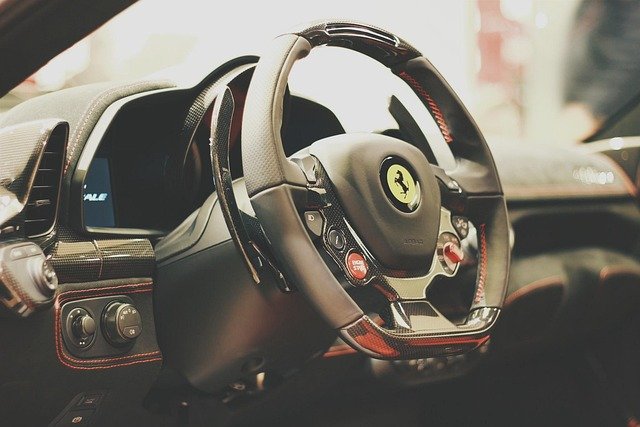
Step inside, and the cabin tells a story of careful compromise. Those looking into what the ferrari purosangue actually delivers will find a cockpit built around the driver, yet generous enough for all four passengers. Each seat occupies its own defined space, creating a sense of occasion in every position without turning comfort into an afterthought.
Performance Rooted in a Naturally Aspirated V12
Sitting beneath that long hood is a 6.5-liter naturally aspirated V12 producing 715 horsepower. At a time when turbocharging and electrification dominate the conversation, this powertrain feels almost defiant. The engine climbs to nearly 8,250 rpm with effortless linearity, and the exhaust note it produces is something no forced-induction alternative can match.
Acceleration and Handling
From a standstill, the Purosangue hits 100 km/h in 3.3 seconds. That number is remarkable for a car weighing north of 2,000 kilograms. Ferrari’s active suspension system reads the road surface and adjusts damping in real time, keeping the body composed through fast direction changes while staying pliant on long motorway runs.
Weight distribution benefits from a rear-mounted transaxle gearbox, which pulls mass closer to the center of the car. This layout drops the center of gravity lower than most vehicles sharing its segment, sharpening turn-in response considerably.
All-Wheel Drive With a Rear Bias
For the first time in its history, Ferrari fitted a production model with all-wheel drive. The system favors the rear axle under normal driving, preserving that tail-happy character loyal customers expect. When traction drops or hard launches demand it, torque shifts forward progressively. The effect adds confidence on wet or loose surfaces without diluting the rear-driven personality.
Cabin Technology and Material Choices
Ferrari adopted a dual-screen cockpit arrangement for the Purosangue. The driver faces a fully digital instrument cluster, while the front passenger gets a dedicated display of their own. Navigation, media controls, and vehicle settings live across both screens, keeping the dashboard clean and uncluttered.
Material Quality
Leather, Alcantara, and carbon fiber appear throughout the interior, all finished to a standard that matches the price tag. What sets this cabin apart from a two-door grand tourer, though, is the practicality. Genuine storage solutions and a usable rear cargo area make daily driving a realistic proposition rather than an occasional inconvenience.
Exclusivity and Pricing
Ferrari keeps annual production numbers deliberately low. Base pricing begins above $390,000, and most buyers push that figure significantly higher through personalization options. In several markets, wait times now stretch past two years. That scarcity protects residual values and sustains demand long after the initial order books close.
Allocation adds another layer of exclusivity. Purchase history and an existing relationship with the dealer network often matter more than a willingness to pay. Securing a build slot takes patience, loyalty, and sometimes a bit of impeccable timing.
How It Compares Without Competing
Ferrari has been deliberate about one thing: the Purosangue is not a sport utility vehicle. The company refuses that classification entirely, calling it a four-door sports car instead. That distinction shapes expectations around driving dynamics rather than ground clearance or payload capacity.
Competitors from other marques offer larger cargo areas and serious off-road hardware. The Purosangue answers with a driving experience that feels closer to a grand touring coupe than anything else wearing four doors and a raised ride height.
Conclusion
What makes the Purosangue different is Ferrari’s refusal to follow the established playbook for luxury four-door vehicles. A free-breathing V12, rear-biased all-wheel drive, theatrical coach doors, and a cabin shaped around the act of driving create a car that stands genuinely alone. It proves that broadening a lineup and staying true to founding principles are not opposing ideas. For buyers who want real driving engagement paired with space for passengers, this car exists in a category no one else occupies.