

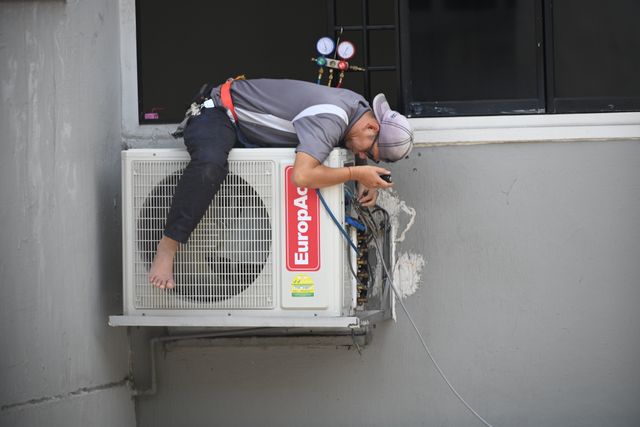

Shopping for a home or managing a rental property gets a lot less glamorous the second the air conditioner starts making sounds like a tired lawn mower. Cooling systems affect comfort, resale value, repair costs, and even how quickly a property moves in a competitive market. If you’re buying, selling, or upgrading, AC installation deserves more attention than it usually gets. A shiny kitchen may win compliments, but a properly sized and installed system keeps people comfortable when the temperature climbs and patience drops.
Why AC Installation Matters More Than Most Buyers Expect
When you walk through a property, it’s easy to focus on countertops, flooring, and curb appeal. The HVAC system usually sits in the background until something feels off. Maybe one bedroom is stuffy, the hallway feels like a freezer, or the unit kicks on every few minutes like it’s indecisive.
Installation quality plays a huge role in how an AC system performs. Even an expensive brand can struggle if the ductwork is wrong, the refrigerant charge is off, or the unit is oversized. Bigger doesn’t automatically mean better. A system that cools too fast can leave humidity hanging in the air, which makes the house feel clammy.
For you as a buyer, that means a poor installation can create hidden costs after move-in. For sellers and landlords, it can mean inspection issues, unhappy tenants, and lower confidence from potential buyers. HVAC mistakes rarely look dramatic at first. They just quietly drain money, comfort, and efficiency until someone finally has to deal with them.
Signs an Existing System May Have Been Installed Poorly
A lot of AC problems get blamed on age when the real issue started on day one. If you’re evaluating a property, pay attention to clues that point to bad installation rather than normal wear.
Watch for these common warning signs:
– Uneven temperatures between rooms
– Short cycling, where the system turns on and off too often
– High energy bills without a clear explanation
– Weak airflow from vents
– Excess indoor humidity
– Loud rattling, buzzing, or whistling
– Condensation issues near the unit or ducts
You should also look at the thermostat placement. If it’s installed near direct sunlight, a kitchen, or a drafty door, temperature readings can be misleading. That small detail can make the whole system behave strangely.
During inspections, ask whether the installer evaluated duct design and load calculations. A rushed install often skips those steps. If you’re trying to compare contractors for a replacement, checking who offers the best AC installation service can help you focus on proper sizing, airflow planning, and long-term performance rather than just the sticker price.
The Real Estate Angle: Comfort Sells, Problems Linger
In real estate, comfort has a surprisingly strong effect on how people judge a space. If a home feels hot, sticky, or unevenly cooled during a showing, buyers tend to assume the property hasn’t been well maintained. That impression can spread to everything else, even if the roof and plumbing are in solid shape.
A newer AC system can be a selling point, but only when the installation was handled properly and documented. Buyers often ask practical questions:
– How old is the system?
– Was it professionally installed?
– Are there maintenance records?
– Is it sized correctly for the home?
– Has it had recurring issues?
If you own rental property, AC installation matters even more because downtime turns into service calls, complaints, and possible vacancy issues. Nobody enjoys reading “urgent, no cooling” at 11:42 p.m.
In warm regions, cooling isn’t a luxury feature. It’s basic livability. A reliable setup can help protect property value, reduce emergency repair risk, and make your listing more appealing to people comparing several homes in the same price range.
What a Good Installation Process Should Actually Include
A professional AC installation involves more than swapping out a metal box and calling it a day. If you’re planning a replacement, you should expect a process that starts with evaluation, not sales pressure.
A solid installation usually includes:
– A load calculation based on square footage, insulation, windows, and layout
– Inspection of ductwork condition and airflow capacity
– Matching indoor and outdoor components correctly
– Proper refrigerant charging and system testing
– Thermostat setup and calibration
– Review of drainage, electrical connections, and ventilation
That load calculation matters more than many homeowners realize. A 2,000-square-foot home with poor insulation has different cooling needs than one with upgraded windows and shade trees. Guesswork has no business in system sizing.
You should also ask whether permits are required locally and who handles them. Skipping permit requirements may save time upfront, but it can create complications when you sell. Documentation, warranties, and service records all add credibility. In property transactions, paperwork is rarely exciting, yet it often decides whether a deal feels secure or sketchy.
How Installation Choices Affect Energy Bills and Long-Term Costs
The upfront price of a new AC system gets most of the attention, but operating cost is where installation quality really shows its face. A poorly installed unit can chip away at your budget every month, even if it technically works.
If the system is too large, it may cool the home quickly without removing enough humidity. If it’s too small, it may run constantly and still struggle. If ducts leak, you’re paying to cool spaces that don’t need it, including attics and wall cavities, which is a deeply unhelpful use of electricity.
Over time, bad installation can lead to:
– Higher utility bills
– Faster component wear
– More frequent repairs
– Shorter equipment lifespan
– Lower indoor comfort
For investors and landlords, those costs affect return just as much as visible repairs. For owner-occupants, they quietly reshape the monthly budget.
SEER ratings and efficiency labels matter, but they don’t tell the whole story. A high-efficiency unit installed badly can underperform a mid-range system installed correctly. Equipment specs are only half the equation. The installer’s skill handles the rest, and the system will remind you of that every summer.
Smart Questions to Ask Before You Commit
Whether you’re replacing a system in your own home or evaluating one during a real estate deal, asking better questions can save you from expensive surprises later. You don’t need to be an HVAC engineer to spot whether someone is being thorough.
Start with practical questions like:
– How was the system size determined?
– Will the existing ductwork support the new unit?
– What efficiency rating fits the home and climate?
– Are permits and inspections included?
– What warranty covers labor versus equipment?
– What maintenance will the system need in the first year?
If you’re buying a home, ask the seller for installation dates, invoices, and service history. If records are missing, that doesn’t automatically signal disaster, but it should make you look closer.
The goal isn’t perfection. The goal is avoiding preventable problems. In real estate, you’re already juggling inspections, financing, insurance, and timelines. A properly installed AC system won’t remove all that stress, but it can keep one major category of trouble off your plate. And during peak summer, that’s not a small win.