


Over time, countless people have taken on work that was as deadly as it was necessary. Without modern safety equipment, proper regulations, or sometimes even basic caution, many of these jobs cost thousands of lives. Here’s a look at some of the most dangerous professions in human history and why they were so lethal.
1. Matchstick Makers (Phossy Jaw)
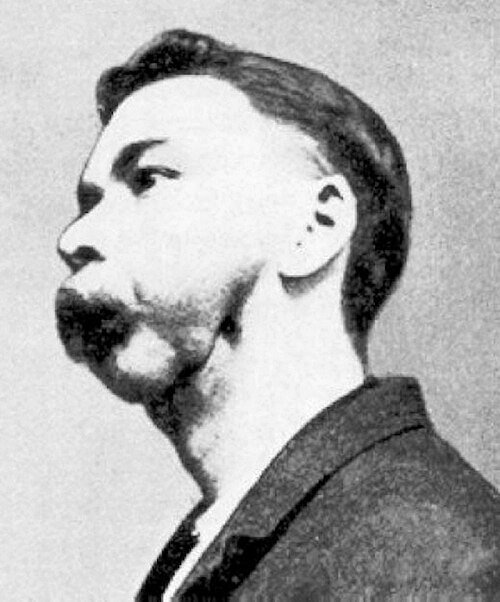
In the 19th century, match factory workers were regularly exposed to white phosphorus, a highly toxic chemical. Long-term inhalation caused “phossy jaw,” a condition where the jawbone rotted from the inside, emitting a sickly odor. The mortality rate was high, and the suffering before death was severe. This gruesome reality continued until white phosphorus was banned in matches in the early 1900s.
2. Medieval Tanners
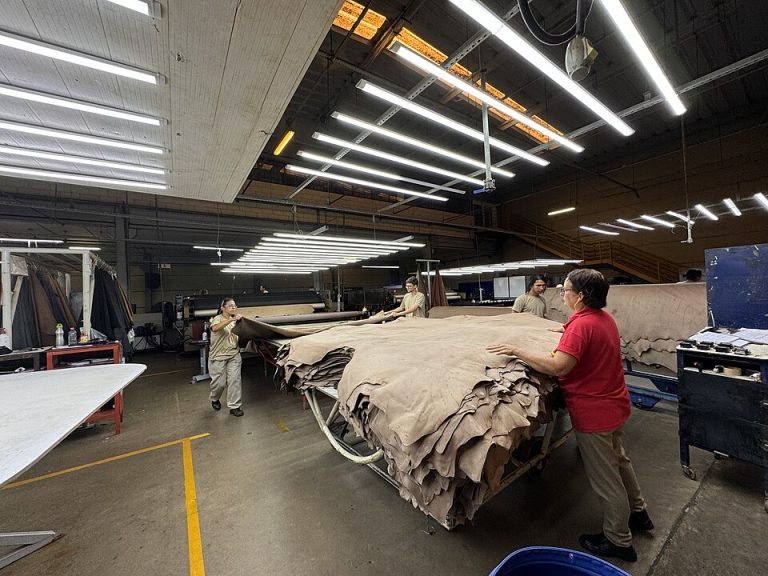
Tanners turned animal hides into leather, but the process was far from safe. Workers soaked skins in vats of water, urine, and lime, often in poorly ventilated spaces. They were also exposed to rotting flesh and the risk of serious infection. The job carried constant danger of disease and long-term lung damage from toxic fumes.
3. Whalers
In the 18th and 19th centuries, whalers hunted massive marine mammals from small wooden boats. A single strike could cause a whale to thrash violently, capsizing vessels. Harpoons had to be handled with precision, or they could injure the crew. Add in unpredictable weather and months at sea, and whaling became one of the most fatal maritime professions of its time.
4. Roman Gladiators
Fighting to the death for public entertainment, gladiators faced armed opponents, wild animals, and ruthless crowds. While not every match ended fatally, the risk was extremely high — especially for prisoners or slaves forced into the arena. Injuries were common, and medical care was minimal, leading to infection and death even from minor wounds.
5. Miners (Pre-Modern Era)
Mining for coal, silver, or gold was one of the deadliest jobs well into the 20th century. Workers faced cave-ins, toxic gases, flooding, and long-term lung diseases such as black lung. In some 19th-century coal mines, average life expectancy for miners was less than 40 years due to constant exposure to dust and dangerous working conditions.
6. Chimney Sweeps
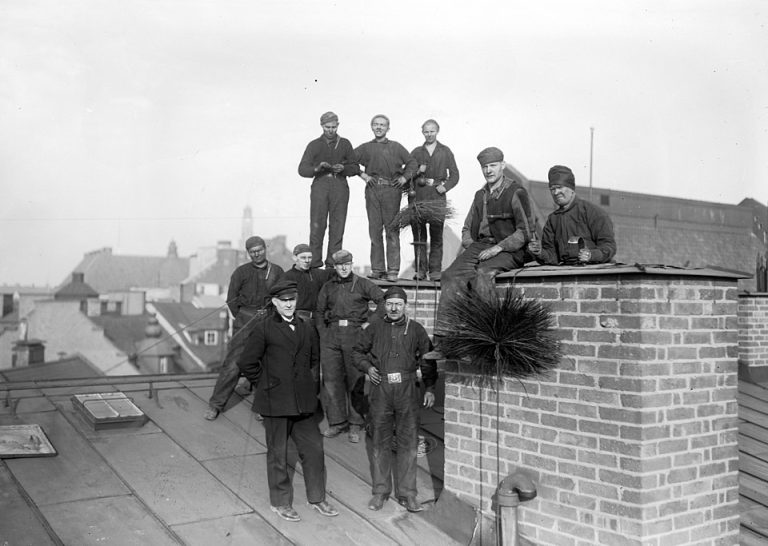
In 18th and 19th century Europe, small boys were sent up narrow chimneys to scrape soot and ash. Falls, suffocation, and burns were common dangers, but perhaps the most horrifying was chimney sweep’s carcinoma — a type of cancer caused by prolonged soot exposure. Many didn’t survive into adulthood.
7. Arctic Explorers
In the age of exploration, expeditions to the Arctic and Antarctic were fraught with danger. Freezing temperatures, unpredictable ice flows, scurvy, and starvation claimed countless lives. Crews often had no way to communicate with the outside world, meaning rescue was almost impossible if disaster struck.
8. Gunpowder Mill Workers
In the 17th to 19th centuries, producing gunpowder meant constant exposure to volatile chemicals. Even a small spark — sometimes caused by friction between tools — could trigger massive explosions. Some factories reported losing dozens of workers in single accidents, and survivors often suffered severe burns.
9. Deep-Sea Divers (Pre-Modern Equipment)
Before modern scuba gear, divers relied on heavy copper helmets and air hoses connected to the surface. A kink in the hose or a broken pump could cause immediate suffocation. Rapid ascent led to decompression sickness, and underwater hazards like strong currents and entanglement claimed many lives.
10. Ship Riggers
In the age of sail, riggers climbed high masts to adjust sails and rigging, often in high winds and stormy seas. A single misstep could send them plunging to the deck or into the ocean. Falling from such heights was almost always fatal, and the constant movement of the ship made their work even riskier.
11. Plague Doctors
During outbreaks of the bubonic plague in the 14th to 17th centuries, plague doctors tended to the sick and dying. While their long-nosed masks were meant to protect them, they provided almost no real defense against the disease. Many died within weeks of starting the job, and those who survived were often shunned by society afterward.
12. Steel Mill Workers (Early Industrial Era)
In the late 19th and early 20th centuries, steel mills were fiery death traps. Workers faced molten metal splashes, massive machinery with no guards, and extreme heat. Accidents could mean amputations or fatal burns, and the noise and heat made communication difficult, increasing the risk of mistakes.
13. Rat Catchers

In cities plagued by disease, rat catchers hunted vermin to help control outbreaks. While it might seem like a low-skill job, it was dangerous due to bites, infections, and exposure to fleas carrying deadly illnesses like the plague. In some cases, rat catchers themselves became sources of disease transmission.
14. Pearl Divers
In regions like the Persian Gulf and Japan, pearl divers descended deep underwater without oxygen tanks. They faced the threat of drowning, shark attacks, and decompression sickness. Many suffered permanent ear and lung damage, and fatalities were common from sudden blackouts underwater.
15. Log Drivers
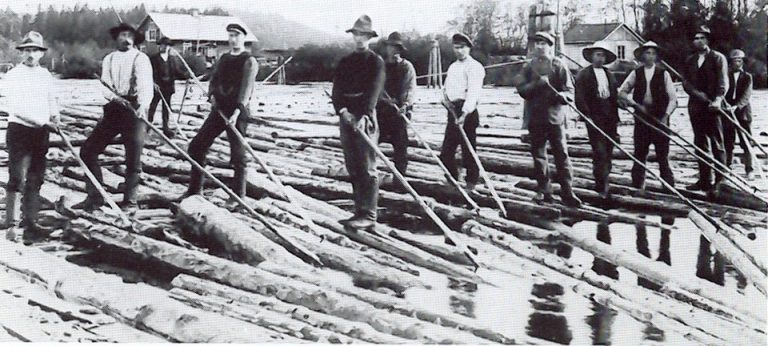
Before trucks and trains moved timber, log drivers floated massive logs down rivers to sawmills. Workers had to balance on moving logs, often in icy waters, while preventing jams. Falls into the river meant being crushed between logs or drowning. The work demanded exceptional agility and came with a high fatality rate.
16. Stone Masons (Cathedral Builders)
Medieval stone masons built soaring cathedrals, working on fragile scaffolding hundreds of feet above ground. Safety ropes were rare, and falls were often fatal. They also inhaled fine stone dust daily, leading to long-term lung damage. Despite the risks, these workers left behind some of history’s greatest architectural masterpieces.
17. Napalm Handlers
In wartime manufacturing plants, workers who handled napalm or other incendiary substances faced extreme risk. Even small accidents could cause fires that spread rapidly. Toxic fumes also posed long-term health problems, and explosions were a constant threat.
18. Powder Monkeys
On naval ships during the Age of Sail, young boys known as powder monkeys carried gunpowder from storage to cannons during battles. They worked in the middle of fierce combat, with the constant danger of explosions, fire, or being hit by enemy fire. Their survival rate during major sea battles was low.