

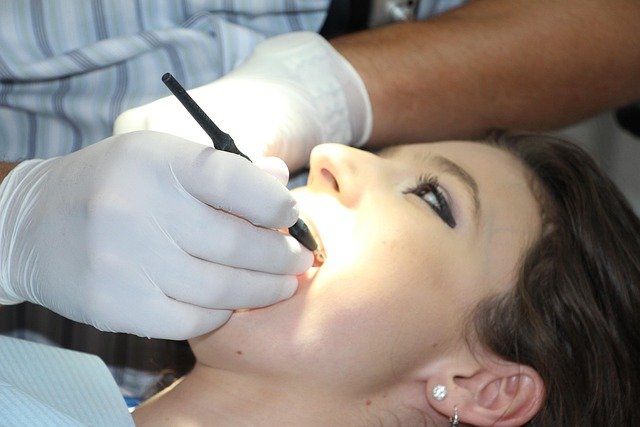

Maybe your dentures slip when you talk, or perhaps you miss the days when you could bite into an apple without worrying about a crown coming loose or bonding getting cracked. If that sounds familiar, you’re far from alone. Many people consider dental implants later in life to help them feel comfortable again when they’re eating, speaking, and smiling. This guide will walk you through the benefits and trade-offs of dental implants for seniors so that you can make a decision with confidence.
How a dental implant works
A dental implant is a small titanium post that functions like a natural root. Once the bone heals around it, your dentist adds a connector (called an abutment) and a custom crown. Dental implants can replace a single tooth, a few in a row, or anchor a removable snap-in denture for a more secure fit.
Why many older adults choose dental implants
Here are some reasons why dental implants can be an ideal tooth replacement solution for older adults:
- They feel natural. Once you’re fully healed from the procedure, dental implants don’t slip the way traditional dentures can. That means clearer speech, easier chewing, and confidence when you laugh or smile.
- They help protect your jawbone. After a tooth is lost, the jawbone underneath can weaken over time. Dental implants stimulate the bone the same way natural roots do, helping maintain your facial shape and long-term oral health.
- They’re made to last. With consistent home care and routine dental visits, implants can offer reliable, long-term functioning. For many people, that durability feels worth the upfront effort.
- They can be an option, whatever your age. What matters most is overall health, gum health, bone quality, and lifestyle habits — such as smoking. Many seniors are great candidates once these factors are reviewed.
- They can upgrade dentures. If you already wear dentures, a few dental implants can anchor them, reducing sore spots and making eating more comfortable.1
Things to consider (and how to plan around them)
- There’s a healing period. Dental implants require a minor surgical procedure. As you age, healing can be slower — especially with certain medications or conditions. A coordinated plan between your dentist and physician will help set you up for success. It may include temporary diet adjustments and follow-up visits.
- Bone support may need a boost. If your teeth have been missing for a while, your dentist may recommend bone grafting to strengthen the area before placing an implant. It’s a common step, but it adds time and expense, so it’s helpful to know if it will be necessary upfront.
- Oral hygiene still matters. Dental implants can’t get cavities, but the gums around them can become inflamed if plaque builds up. Daily brushing, interdental cleaning (with floss or small brushes), and regular cleanings are key. If dry mouth or dexterity is a concern, ask your dental team for tools to make care easier.2
- Costs vary. Dental implant costs depend on factors like the number of teeth replaced, whether grafting is needed, and the materials used. Request a written treatment plan that outlines every step, from implant to abutment, crown, imaging, and grafting, so you can easily compare options.
Your costs and coverage: what to expect
Coverage really varies by plan. Some dental plans include implant benefits, but many don’t. Others cover only part of the process (for example, the crown but not a bone graft). If you’re exploring dental implant insurance, read the details closely: waiting periods, annual maximums, what pieces are covered (implant, abutment, crown), and whether pre-authorization is required. A quick benefits check — whether online, through member services, or with an agent — can save time and prevent surprise bills.
Who’s a good candidate?
Your dental team will look at your medical history and medications, gum health, bone density, bite, and daily hygiene habits. Keeping diabetes well managed, treating gum disease first, and quitting smoking will help you heal and set you up for long-term success. If you’re on blood thinners or bone-strengthening medications, your dentist will coordinate with your doctor to plan safely. Ultimately, being a good candidate is less about your age and more about how healthy your mouth and body are.
Helpful next steps
Here are some next steps if you’re interested in getting dental implants:
- Bring your medication list (including supplements) to your consultation.
- Ask for a written timeline with healing milestones and any temporary diet guidance.
- Request a clear cost breakdown for each phase so you know exactly what’s included.
- Talk through what home-care tools (water flossers, interdental brushes) you should use to keep implants healthy long-term.
- Review your benefits and, if needed, compare plans with an agent to see what coverage might help with your goals.
The bottom line
Dental implants can be an effective, long-lasting way to replace missing teeth, and many seniors find they make eating, speaking, and smiling easier. With proper research and a supportive dental team walking you through each step, you’ll be able to make an informed decision that feels right for you.
Sources:
1 Bentonville Family Dentistry – Risks and Complications of Dental Implants for Seniors. Published January 28, 2025. https://bentonvilledentist.com/blog/risks-and-complications-of-dental-implants-for-seniors/. Accessed October 16, 2025.
2 Boynton Implant & Cosmetic Dentistry – The Benefits of Dental Implants for Senior Oral Health and Quality of Life. Published October 14, 2024. https://dentalimplantsboyntonbeach.com/dental-implants-for-senior-oral-health/. Accessed October 16, 2025.
Content within this article is provided for general informational purposes and is not provided as
tax, legal, health, or financial advice for any person or for any specific situation. Employers,
employees, and other individuals should contact their own advisers about their situations. For
complete details, including availability and costs of Aflac insurance, please contact your local
Aflac agent.
Aflac coverage is underwritten by American Family Life Assurance Company of Columbus. In New York, Aflac coverage is underwritten by American Family Life Assurance Company of New York.
Aflac life plans – A68000 series: Term Life Policies: In Arkansas, Idaho, Oklahoma, Oregon,
Texas, Pennsylvania & Virginia, Policies: ICC1368200, ICC1368300, ICC1368400. In Delaware,
Policies A68200, A68300 & A68400. In New York, Policies NY68200, NY68300 and NY68400.
Whole Life Policies: In Arkansas, Idaho, Oklahoma, Oregon, Texas, Pennsylvania & Virginia,
Policies: ICC1368100. In Delaware, Policy A68100. In New York, Policy NYR68100. B60000
series: In Arkansas, Idaho, Oklahoma & Virginia, Policies: ICC18B60C10, ICC18B60100,
ICC18B60200, ICC18B60300, & ICC18B60400. Not available in Delaware. Q60000 series/Whole:
In Arkansas & Delaware, Policy Q60100M. In Idaho, Policy Q60100MID. In Oklahoma, Policy
Q60100MOK. Not available in Virginia. Q60000 series/Term: In Delaware, Policies Q60200CM.
In Arkansas, Idaho, Oklahoma, Policies ICC18Q60200C, ICC18Q60300C, ICC18Q60400C. Not
available in Virginia.
Coverage may not be available in all states, including but not limited to DE, ID, NJ, NM, NY, VA
or VT. Benefits/premium rates may vary based on state and plan levels. Optional riders may be
available at an additional cost. Policies and riders may also contain a waiting period. Refer to
the exact policy and rider forms for benefit details, definitions, limitations, and exclusions.
Aflac WWHQ | 1932 Wynnton Road | Columbus, GA 31999
Aflac New York | 22 Corporate Woods Boulevard, Suite 2 | Albany, NY 12211