

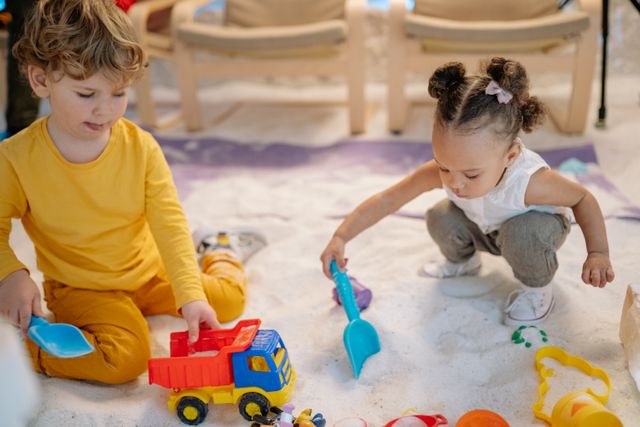

You can usually tell when a child feels comfortable in a learning space within the first few minutes. Some children walk in ready to explore, ask questions, and interact with others. Some stay quiet, unsure of what to do next. The difference is not always about personality. Quite often, it has something to do with the environment around them.
After spending time observing classrooms, childcare settings, and family learning programs, it becomes clear that early environments shape far more than academic skills. They influence confidence, communication, behavior, and the way children respond to new experiences. These effects are often subtle at first, but they can stay with children for years.
Why the People Behind Early Learning Matter
When discussing child development, conversations often focus on curriculum, learning materials, or educational technology. Those things matter, of course, but the adults guiding young children often have an even greater impact. The quality of interactions between educators and children can influence language development, emotional regulation, social skills, and learning habits.
As research continues to expand our understanding of childhood development, many educators seek deeper training in these areas. Professionals interested in leadership roles, curriculum development, or advanced child-focused education frequently explore pathways such as Southeastern Oklahoma State University’s masters in child development online program to better understand how learning environments affect children’s growth across different developmental stages. The program is designed for educators and child-focused professionals. It explores child growth, learning theories, family engagement, and curriculum development, helping students strengthen their understanding of how young children learn and develop.
Children Learn from More Than Lessons
Young children absorb information constantly. They learn from how adults speak to them. They learn from routines, expectations, and even the way a room is arranged. A classroom filled with opportunities to explore encourages different behaviors than a space that feels restrictive or confusing.
This is one reason early learning environments receive so much attention from educators. Learning does not only happen during planned activities. It happens during snack time, cleanup time, conversations with peers, and moments that seem ordinary to adults. Children are paying attention even when it appears they are not. The environment becomes part of the lesson.
Emotional Safety Comes First
Before children can focus on learning, they need to feel secure. A child who feels anxious, overwhelmed, or uncertain may struggle to participate fully, regardless of how strong the educational program might be. Emotional safety provides the foundation that supports everything else.
This does not mean children should never face challenges. In fact, healthy challenges are important. The difference is that children tend to handle those challenges more effectively when they know they are supported by trusted adults. Simple things matter here. Consistent routines. Positive interactions. Clear expectations. Respectful communication. These elements help create stability, which is something young children rely on more than many adults realize.
The Physical Environment Shapes Behavior
The design of a learning space influences how children interact with the world around them. Bright, organized, and accessible environments often encourage exploration. Spaces that are cluttered or difficult to navigate can create frustration and distraction. Even factors such as lighting, noise levels, and seating arrangements may affect attention and engagement.
Children benefit from environments that allow them to move, investigate, and make choices appropriate for their age. Opportunities for hands-on learning are particularly important during early childhood because young children often learn best through direct experience. They want to touch things, build things, test ideas, and sometimes make small messes while figuring things out. That process is part of learning.
Social Development Happens Every Day
One of the most valuable parts of an early learning environment has little to do with traditional academics. Young children spend a great deal of time learning how to interact with others. Sharing, cooperating, resolving disagreements, listening, and expressing emotions are skills developed gradually through repeated experiences.
Social development cannot be separated from educational development. The two are connected. Children who feel comfortable working with others often become more confident learners. Likewise, positive social experiences can strengthen communication skills and emotional awareness. These interactions happen daily. Sometimes they occur during structured activities. Other times, they happen naturally while children play together. Both types of experiences matter.
Language Growth Thrives in Rich Environments
Language development is heavily influenced by the quality of communication children experience. When adults engage children in meaningful conversations, ask questions, introduce new vocabulary, and encourage discussion, language skills tend to grow more rapidly. The quantity of words matters, but the quality of interaction matters too.
Children benefit when adults listen carefully and respond thoughtfully rather than simply giving instructions. Storytelling, reading, singing, and conversation all contribute to language growth. These activities may seem simple, but their impact can be significant over time. Many communication habits begin developing long before formal reading instruction starts.
Family Involvement Strengthens Learning
Learning environments extend beyond classrooms. Families play an important role in supporting development, which is why strong communication between educators and parents can be so valuable. When children experience consistency between home and educational settings, learning often becomes more effective.
This does not require parents to become teachers. Instead, it involves creating connections. Sharing information, discussing progress, and reinforcing positive habits can help children feel supported across different environments. Families and educators bring different perspectives. When those perspectives work together, children generally benefit.
Technology Has Changed Early Learning
Technology is now part of many early learning spaces, and when it is used carefully, it can add useful ways for children to explore ideas. Interactive tools, simple learning apps, and digital activities can support lessons without taking over the room.
Still, young children need real-world play, movement, conversation, and hands-on discovery. Screens can help in small doses, but they should not replace blocks, books, outdoor time, or face-to-face interaction.
Small Experiences Add Up Over Time
Child development rarely happens in ways that are easy to spot from one day to the next. Most changes are gradual. A short conversation, a successful activity, or a moment of encouragement may seem insignificant on its own, yet those experiences tend to build on each other over time.
Confidence grows through repeated opportunities to try, fail, and try again. Communication improves through everyday interactions. Social and emotional skills develop through practice, not big milestones. That is why early learning environments matter. The daily experiences children have during these years can quietly shape habits, skills, and attitudes that stay with them well into the future.