

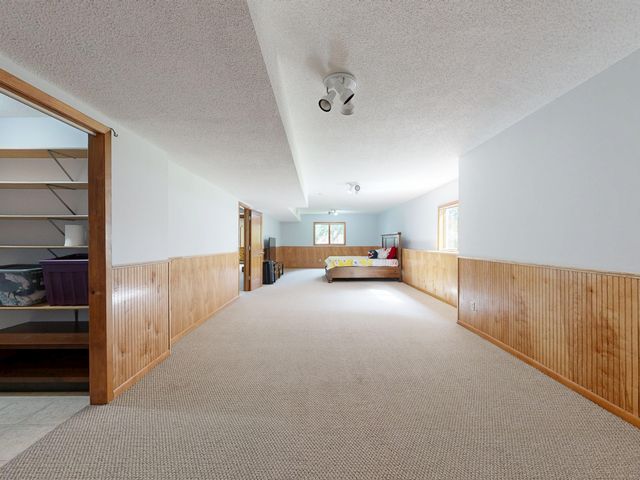

Your basement doesn’t have to be the place where old holiday bins and lonely treadmills go to retire. With a little planning, it can become one of the most useful and inviting spots in your home. If you want a room where your family can relax, play, watch movies, or just spread out a bit, a basement retreat can do the trick. The best part is that you don’t need fancy ideas. You just need smart ones that fit real life.
Start with purpose
Before you pick paint colors or shop for a giant sectional, stop and ask one simple question: what do you want this room to do every day? Some families want a movie space. Others want a game room, a teen hangout, or a cozy place for adults to unwind after bedtime battles.
That answer shapes everything else. If you’re dreaming bigger, like a sports lounge or home hangout with built-ins, start by looking at what the top basement remodelers today do when designing a basement man cave or family retreat. You don’t have to copy every idea, but it can help you picture what’s possible.
Try to focus on two or three main uses, not ten. A room that tries to be a gym, office, playroom, guest room, arcade, and yoga studio often ends up feeling confused. Give the space a clear job. Then it can actually do it well instead of just looking busy and slightly panicked.
Plan your zones
A good basement usually works best when it has mini areas inside one larger room. Think of it like a pizza. Same pie, different slices, and everyone gets what they want. You don’t need walls for this. Rugs, lighting, and furniture placement can do a lot of the heavy lifting.
You might place a sofa and TV on one side for movie nights. A small table in a corner can become a craft spot, homework station, or card game zone. Storage can go along one wall with cabinets, baskets, or a long bench that hides toys and blankets.
Leave open space if your kids still like to tumble around or build blanket forts like tiny interior designers. If adults will use the room too, add at least one area that doesn’t scream “plastic dinosaurs live here.” A reading chair, drink table, or simple shelf with books and framed photos can help the basement feel balanced.
When you create zones, keep walking paths clear. No one wants to hurdle an ottoman in the dark just to get popcorn.
Pick cozy finishes
Basements can feel chilly and dim, even when they’re finished nicely. That’s why cozy finishes matter so much. They turn the room from “below-ground box” into “let’s stay down here awhile.” Start with flooring that feels warm and soft underfoot. Carpet tiles, luxury vinyl planks with area rugs, or cushioned laminate are all family-friendly options.
Wall color matters too. Very dark colors can work in a basement, but only if the room has enough light. For most homes, warm neutrals, soft greens, dusty blues, or creamy whites make the room feel brighter without looking plain. You want cozy, not cave-core.
Lighting is where many basements struggle. One overhead light in the middle of the room rarely cuts it. Mix light sources instead:
– Ceiling lights for overall brightness
– Floor lamps near seating
– Table lamps for a softer glow
– Wall sconces or accent lights for mood
Add texture with curtains, throw blankets, woven baskets, and soft pillows. These details may seem small, but they help the basement feel like part of your home instead of a separate planet.
Make it kid-friendly
If children will use the space, durability becomes your best friend. Pretty is nice. Pretty that survives juice spills, marker accidents, and mystery stickiness is even better. Choose fabrics that clean easily and finishes that can handle daily life.
Rounded furniture corners are smart, especially for younger kids. Washable rugs can save your sanity. Closed storage is great for hiding clutter fast, while open bins make it easier for kids to grab what they need and put it back later. Or at least put it somewhere near the bin, which is still a win.
Safety also matters more in a basement because lighting can be lower and stairs are involved. Make sure the stairway is well lit. Use non-slip surfaces if the floor gets slick. If there are low ceilings or odd beams, soften those areas visually and keep active play away from them.
For mixed-age families, try to include items that grow well. A play table for little kids may become a puzzle table later. Storage that holds toys now can store board games, books, or hobby supplies in a few years.
Add personality
Once the practical parts are handled, this is where the room starts to feel fun. Personality doesn’t mean you need a theme so strong it looks like a movie set. It just means the space should feel like your family actually lives there.
You can do that with framed family photos, favorite book covers, sports art, vintage signs, or shelves that hold board games and travel keepsakes. If the basement is used for movie nights, hang a few playful prints or use a popcorn bowl that’s way too big in the best possible way.
Color can help here too. You might keep the bigger pieces neutral and bring in personality through pillows, throws, and wall decor. That makes it easier to change the look later without replacing everything.
A finished basement often feels nicest when it has a mix of grown-up style and relaxed comfort. You want it to look pulled together, but not so perfect that people are scared to sit down. If a room says “please enjoy” instead of “do not touch,” you’re doing it right.
Keep it flexible
The smartest basement design is one that can change with your family. What works when your kids are six may feel all wrong when they’re twelve. And what feels perfect for a game room now may need to become a guest space, hobby area, or teen hangout later.
That’s why flexible furniture is worth it. Sectionals that can be rearranged, nesting tables, storage ottomans, and lightweight chairs make it easier to shift the room when life changes. A fold-out table can handle crafts today and snacks during the big game tomorrow.
Avoid locking yourself into layouts that only suit one stage of life. Built-ins can be useful, but leave some open space too. Your needs will change, and your basement should be able to roll with it instead of putting up a fuss.
When you keep the design simple, cozy, and practical, your basement becomes more than extra square footage. It becomes the place where your family actually wants to be. And that’s a pretty solid upgrade for a room that once just held storage bins and forgotten exercise gear.