

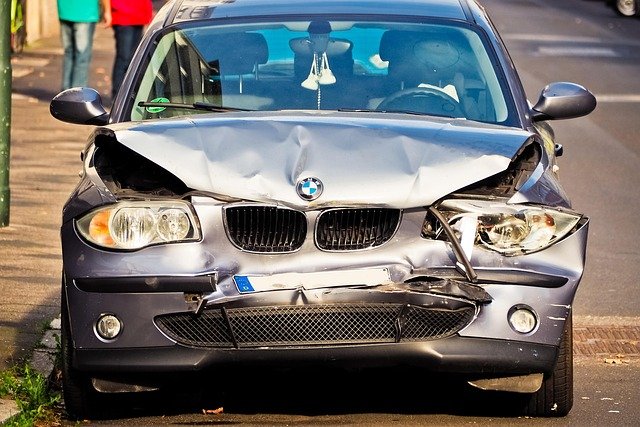

A car accident involving an uninsured driver can leave Las Vegas motorists facing difficult decisions at a time when medical concerns, transportation problems, and financial uncertainty are already adding pressure. Nevada’s busy roads can bring together drivers with very different insurance situations, and discovering that the at-fault motorist lacks adequate coverage can complicate an otherwise straightforward claim. Understanding the available paths early can help an injured person make informed choices without rushing into an agreement that may not account for the full extent of the losses.
For someone dealing with the aftermath of a crash in Las Vegas, speaking with auto accident lawyers in Las Vegas can clarify how insurance coverage, available evidence, and the circumstances of the collision may affect recovery. Legal guidance can also help identify which options warrant attention based on the accident’s specific facts. From reviewing applicable policies to considering other avenues for compensation, evaluate each possibility carefully before deciding how to move forward.
1. Check Every Available Insurance Policy
The injured driver should gather the other driver’s name, license plate number, crash report, and insurance information. A review with auto accident lawyers in Las Vegas can clarify notice deadlines, coverage disputes, and evidence requirements before an insurer evaluates the claim. That review also determines whether pursuing the driver’s personal assets makes financial sense.
The other driver could have no active policy, an expired policy, or insufficient coverage for the losses. A household policy, employer-related coverage, or another applicable policy can affect the amount available for recovery. The injured driver should not rely on a verbal claim that insurance does not exist.
2. File An Uninsured Motorist Claim
Uninsured motorist coverage pays covered losses when another driver causes a crash without liability insurance. The injured driver should review the policy declarations, coverage limits, exclusions, and reporting requirements before filing a claim.
Most policies require prompt notice, cooperation with the insurer, medical documentation, and proof that the other driver caused the collision. A hit-and-run crash can involve additional conditions, including timely police reporting or proof of physical contact. Policy language governs the claim, so the injured driver should preserve the policy and all communications with the insurer.
An uninsured motorist claim can include more than vehicle repairs. Depending on the policy and supporting evidence, covered losses can include medical expenses, lost income, pain, and future damages. The insurer can dispute fault, treatment, the extent of the injury, or the claim’s value.
3. Use Collision Coverage For Vehicle Damage
Collision coverage can pay for repairs or the vehicle’s covered value after a crash, even when the responsible driver has no insurance. The policyholder usually pays a deductible, and the insurer handles covered property damage under the policy terms.
The insurer can later seek reimbursement from the at-fault driver. That process does not guarantee recovery of every expense, but it can address vehicle damage without waiting for the other driver’s financial circumstances. Photographs, repair estimates, towing invoices, rental-car receipts, and the crash report support the property claim.
The driver should not authorize major repairs before learning about the insurer’s inspection process. The vehicle should remain available for inspection unless safety concerns require immediate repairs. Keep receipts and written communications in one organized file.
4. Pursue The At-Fault Driver Personally
A lawsuit against the uninsured driver remains an option when evidence proves fault and the losses justify litigation. A court judgment, however, does not guarantee payment. Collection depends on the driver’s income, property, bank accounts, and other reachable assets.
Before filing, an attorney can assess whether the likely recovery justifies court costs, legal work, and collection efforts. That assessment should include documented medical expenses, lost wages, vehicle losses, and the injury’s effect on daily activities. Even with clear liability, a claim still requires proof of damages.
Nevada generally gives injured people two years to bring a personal injury claim and three years to bring a property damage claim. Exceptions can change those periods, so the injured driver should confirm the applicable deadline promptly.
5. Protect The Evidence And Medical Record
Follow the treating provider’s instructions, and the injured driver should record every appointment, prescription, bill, and missed workday. Gaps in treatment can give an insurer grounds to question whether the crash caused the reported condition.
The driver should preserve photographs, witness contact information, vehicle damage images, surveillance details, and messages with insurers. Social media posts can also affect an injury claim, so the driver should be cautious about public comments about the crash or recovery. The driver should provide accurate information without guessing about fault or prognosis.
Before signing a release, the injured driver should confirm which losses the document covers. A settlement release can end claims for injuries or property damage that have not fully developed. Medical improvement and a complete assessment of damages should come before a final settlement decision.
Conclusion
An uninsured driver does not end a valid accident claim. The injured driver should report the crash, review uninsured motorist and collision policies, preserve evidence, and document every financial loss. A personal lawsuit can remain available, but collection depends on the driver’s reachable assets. The next practical step is to gather the policy, crash report, medical records, bills, and wage documents for prompt legal review before an insurer or filing deadline limits your options.