

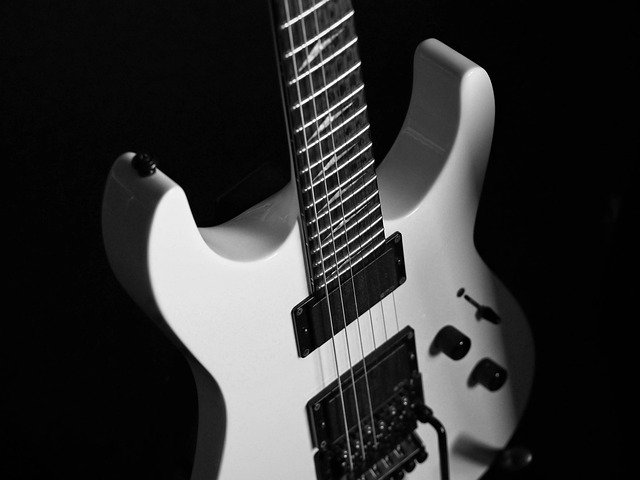

A boutique electric guitar reflects decisions made for a specific instrument rather than a fixed production line. Builders can select unusual wood combinations, refine fretwork by hand, and adjust a guitar around practical playing needs. Factory models deliver consistency and broad availability, while boutique instruments focus on detail, response, and individual character. The difference becomes clearer when construction, setup, electronics, and long-term ownership receive closer attention.
Specifications With A Clear Purpose
Factory ranges usually cover popular combinations of scale length, body shape, neck profile, pickups, and finishes. Boutique builders have more freedom to combine less common choices when those choices serve a defined playing style.
A guitarist might prefer a particular neck carve, a compound fingerboard radius, stainless-steel frets, or a pickup layout that sits outside mainstream catalogues. These decisions affect access, tension, articulation, and control placement. Boutique work gives each specification a reason, rather than treating every feature as a marketing addition.
Players comparing Suhr guitars can examine this approach through a specialist collection that places individual models within a focused brand category. The page lists Suhr under electric guitar brands and presents it alongside other specialist makers, helping buyers compare construction choices without sorting through unrelated product types. That focused search matters when a player knows the desired response but still needs to identify the right configuration.
Construction With Greater Attention
Large-scale production depends on repeatable processes. That approach keeps specifications consistent, controls costs, and gives players familiar results across many instruments. Boutique building follows a smaller production model, so the maker can spend more time inspecting joints, shaping necks, levelling frets, and checking the final setup.
This attention affects how the guitar responds under the player’s hands. Even fret ends, accurate fret slots, and a well-cut nut support cleaner bends, stable intonation, and comfortable movement. These details do not change the basic purpose of an electric guitar, but they improve the connection between the player and the instrument.
A More Precise Playing Experience
A guitar’s response comes from several connected elements. The neck shape affects the fretting hand, the fretwork affects movement and intonation, and the bridge affects adjustment and contact with the strings. Pickup design then shapes how the instrument translates picking strength into the amplifier.
Boutique instruments receive closer attention at these connection points. A well-adjusted action can support fast passages without excessive fret noise, while balanced pickup height keeps volume levels consistent across strings. These changes remain practical rather than mysterious. The player notices them through easier fretting, clearer chord separation, and more predictable dynamics.
Electronics Chosen For The Instrument
Factory models often use standard pickup and control combinations across a product range. Boutique guitars give builders more scope to match pickups, pots, switching, and wiring to the instrument’s construction and intended use.
That matching affects clean tones, driven sounds, and the transition between them. A responsive volume control lets a player reduce gain without losing clarity. A carefully selected pickup set can preserve note definition under heavier playing. The value comes from how the parts work together, not from the number of controls installed.
Individual Character And Ownership
Every guitar has a voice shaped by its materials, construction, electronics, and setup. Factory production aims to keep that voice within a predictable range. Boutique building accepts more variation, then uses inspection and adjustment to make each instrument feel deliberate.
This character also gives the purchase a longer decision cycle. A buyer must assess neck comfort, weight, balance, fret condition, pickup output, and control layout instead of choosing by body shape alone. A specialist retailer can support that process through detailed model selection and direct product information, particularly when the buyer cannot compare several instruments in person.
When A Boutique Guitar Makes Sense
A boutique electric guitar suits players who already understand their preferences and want those preferences reflected in one instrument. It also suits musicians who value refined playability over broad availability or who need a specification rarely found in a standard range.
A factory model remains practical for players seeking a familiar design, accessible replacement parts, and a consistent price point. Boutique construction does not make every instrument the right choice.
Conclusion
Boutique electric guitars justify their place through focused decisions that affect daily playing: precise fretwork, purposeful specifications, matched electronics, and careful final adjustment. Factory models remain effective when consistency, price, and easy availability matter most. A buyer should identify the playing issue that needs improvement, then compare neck shape, fretwork, bridge design, pickups, and control response against that need. Testing those details in person provides the clearest next step before choosing a boutique instrument.