

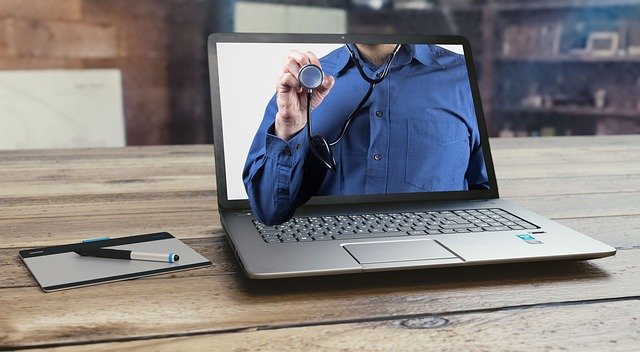

Telehealth, a term often used interchangeably with telemedicine, refers to the provision of healthcare services remotely through telecommunications technology. In recent years, telehealth has gained significant traction, transforming the way healthcare is delivered. This article will discuss how telehealth doctors simplify healthcare, making it more accessible, convenient, and cost-effective for patients.
Accessibility and Convenience
Telehealth is advantageous since it overcomes geographical borders. Patients who live in rural or remote areas may not have easy access to medical facilities. But they can now connect with healthcare providers online.
In the same way, people who live in cities and have busy lives find it easy to get medical care without having to make long trips.
Flexible Appointment Scheduling
Telehealth eliminates the need for patients to wait for hours in crowded waiting rooms. With telehealth, patients can schedule appointments at their convenience, reducing wait times and accommodating their busy lifestyles.
As telehealth continues to make healthcare more convenient, platforms like Canvas Medical EHRs, an electronic medical record system, help doctors easily manage patient histories, treatment notes, and prescriptions, making virtual care smoother and more personal for both patients and providers.
After this sentence: Patients can easily contact their doctors via real-time video consultations and secure chat services. These channels enhance patient-provider communication, fostering a collaborative approach to healthcare delivery.
Improved Patient Engagement
Patients can easily contact their doctors via real-time video consultations and secure chat services. These channels enhance patient-provider communication, fostering a collaborative approach to healthcare delivery.
Patient Empowerment
Through telehealth, patients are empowered to take an active role in their healthcare journey. They have access to comprehensive health information and are involved in care decisions, leading to improved health outcomes.
Quality of Care
Telehealth ensures seamless continuity of care by enabling smooth transitions between in-person and virtual visits. Healthcare providers have access to comprehensive health records, facilitating informed decision-making and personalized care plans.
Prompt Diagnosis and Treatment
Through telehealth, people with urgent situations can get help right away, and people with long-term illnesses can be better managed and watched over. Patients receive prompt diagnosis and treatment, leading to better health outcomes and improved quality of life.
Cost-Effectiveness
Through reduced travel expenses and fewer missed workdays, telehealth lowers the cost of health care. Patients save time and money by avoiding unnecessary travel to healthcare facilities.
Efficient Resource Allocation
Telehealth optimizes resource allocation by efficiently utilizing healthcare facilities and streamlining administrative processes. Healthcare providers can focus on delivering quality care, leading to improved patient outcomes.
Regulatory and Legal Considerations
A telehealth doctor must adhere to state-specific regulations and telehealth credentialing standards to practice legally. Licensing and credentialing ensure that telehealth services are provided by qualified healthcare professionals.
Data Security and Privacy
Telehealth platforms prioritize data security and privacy, complying with HIPAA regulations and implementing encryption and secure communication channels. Patients’ personal health information is safeguarded against unauthorized access or breaches.
Patient Satisfaction and Outcomes
The convenience and accessibility of telehealth services improve patient outcomes and treatment adherence.
Long-Term Health Management
Telehealth supports long-term health management by providing preventive care and education to patients. Patients receive personalized, patient-centric care plans tailored to their individual needs, promoting better health outcomes and disease management.
Future Trends and Challenges
Technological advancements, including integration with wearable devices and the implementation of artificial intelligence, shape the future of telehealth. These innovations hold the promise of enhancing telehealth services and improving patient outcomes.
Telehealth aims to address disparities in healthcare access by bridging the digital divide and providing culturally competent care. Efforts to ensure equitable access to telehealth services will play a crucial role in addressing healthcare disparities and improving health outcomes for all.
Embracing Telehealth: A Path Forward Together
It’s important to remember that telehealth also helps make standard healthcare infrastructure less stressed, especially in times of emergency or high demand. By giving people another way to get medical care, telehealth makes hospitals and clinics less busy and lets them focus on patients who need care in person. This shows that telehealth is strong and flexible enough to meet the changing needs of both individuals and healthcare systems.