

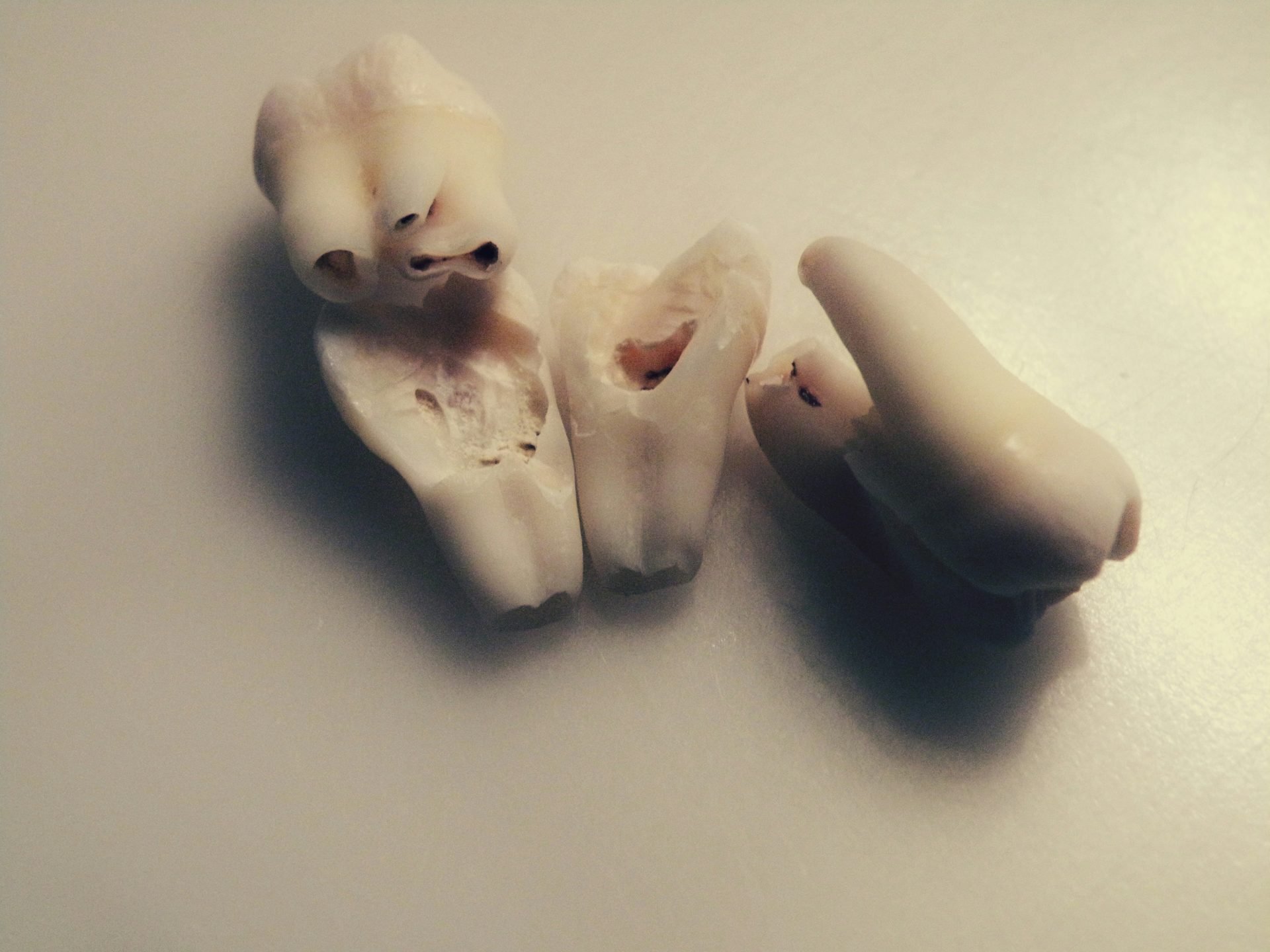

Wisdom teeth refer to the molars (back teeth of an adult), which usually come through the last, probably in a person’s late teens or early 20s. Most people eventually get their wisdom teeth removed due to pain or infection. That, coupled with the fact that they grow later in life when an individual can comfortably chew their meals, begs the question; why do they even grow in the first place? What role do wisdom teeth play in our oral anatomy? This piece seeks to answer these questions and more.
The Role of Teeth in Humans
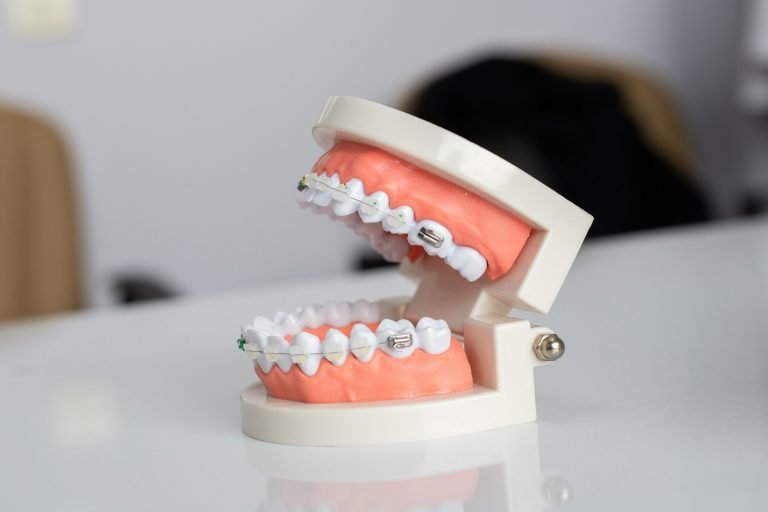
Human beings have different types of teeth, each playing a pivotal function. For instance, the teeth at the front of the mouth (incisors and canines) are sharper and designed to tear food into smaller pieces. The ones at the back, the molars, and premolars, are flatter and are primarily suitable for grinding down food. While the molars grow by the latest age of 21, another set develops much later when human beings are older, hence the name wisdom teeth.
Reasons Why We Have Wisdom Teeth
Wisdom teeth grow for several reasons. The first has a lot to do with the history of human beings. You’ve probably come across articles or videos that explain the relationship between humankind and primates, such as monkeys and chimpanzees.
Some historians believe that human beings are evolved versions of the primates. Our ancestors, the likes of the Australopithecus Afarensis, had prominent skulls that resemble those of chimpanzees. Their large jaws had enough room for wisdom teeth. These jaws were quite useful in chewing down a variety of foods. Because our lineage dates back to the Australopithecus Afarensis (according to the evolution theory), the jaw of a modern human being may have become smaller. However, wisdom teeth are still a part of the oral anatomy.
The other reason human beings have wisdom teeth is that they are needed to help chew and break down food. Even though most foods consumed today are softer and easier to chew, our ancestors didn’t enjoy the same privilege. Quite often, they had to depend on raw plants and meat. So, wisdom teeth and molars played a very critical role.
The simple answer to this question is that wisdom teeth exist to help us chew and break down food better, but evolution has phased out their need. This explains why at least 5% to 37% of the current population is naturally missing at least one wisdom tooth, according to the Dental Research Journal. If this trend continues, wisdom teeth in human beings probably won’t exist in the next 300 years.
Does Everyone Have Wisdom Teeth?
Scientists have various explanations for why more and more people are missing wisdom teeth nowadays. One of their key arguments is that wisdom teeth are passed down through genetics. If either parent is missing wisdom teeth, chances are their kids won’t grow a third set of molars.
Also, scientists have alleged that the decrease in size of the human jaw makes it difficult for wisdom teeth to drop down. Insufficient space in the jaws causes the wisdom teeth to grow partially, leading to a condition called an impacted tooth. This often causes discomfort, necessitating the need for minor surgery.
Though useful in the past, wisdom teeth have become a nuisance for modern humans. Their position at the far back of the mouth makes cleaning them very difficult. Even with special toothbrushes, reaching the back of the jaw isn’t easy, and there is a risk of choking oneself. Also, wisdom teeth can’t be flossed. As a result, germs accumulate on the wisdom teeth, leading to severe infections.
What Is the Perfect Remedy for Wisdom Tooth Pain?

Most people remove wisdom teeth when they become infected. Some signs to look out for include swollen gums, pain, bad breath, bleeding, and difficulty opening the mouth. While antibiotics can help treat infected wisdom teeth, removal is the best solution, according to leading dentists, as it prevents re-infection. Also, wisdom teeth don’t grow back; once they have been removed, there is no dealing with them again.
Conclusion
The primary function of molars (which wisdom teeth are) is to help humans grind food, and they are perfectly adapted to that. However, people have evolved over time, with many having shorter jaws. As such, the limited space means having wisdom teeth can cause discomfort, necessitating medical intervention. If the trend continues, scientists anticipate that humans won’t have wisdom teeth in the next 300 years.