

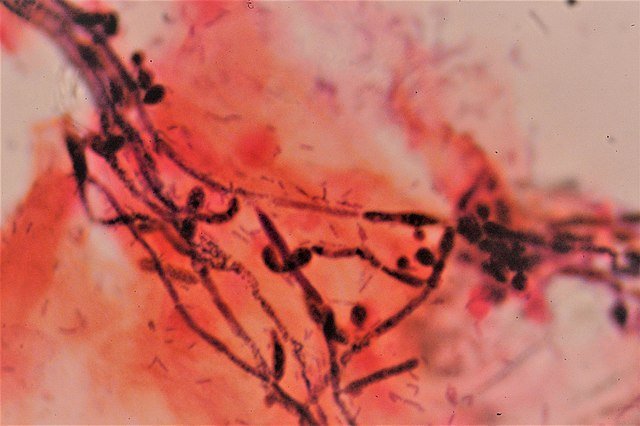

When most people come across the phrase “yeast infection,” their minds quickly rush to candidiasis, which is a type of yeast infection that occurs in the vagina. While this is partly true, a yeast infection can occur in various parts of the body. It manifests with symptoms such as itching, a rash, and white discharge. In today’s post, we’ll explore some of the least-known facts about yeast infections.
1. Yeast Infection Can Occur in the Mouth
Besides the genitalia, a yeast infection can also occur in the mouth. This can happen to people of both sexes and even in newborns. Infants can get a mouth yeast infection, popularly known as thrush, from prolonged sucking. The good news is that it’s curable. As for adults, thrush is caused by poor oral hygiene and can cause significant discomfort if left untreated.
2. There is a Close Connection between Yeast Infections and Diabetes
People living with diabetes tend to be at a higher risk of getting yeast infections in their genital areas. The reason behind this is that diabetics have high glucose levels in their bodies, which creates the ideal breeding ground for yeast. The lowered immunity also increases the odds of contracting this infection. Even when treated, yeast infections may re-occur more frequently among the diabetic.
3. Tight Underwear Can Cause Yeast Infections
While there are many causes of vaginal yeast infections, wearing tight underwear is the least talked about. According to medical experts, wearing tight underwear traps moisture and heat around the private parts. This creates a conducive environment for the development of a yeast infection. This is why underwear shouldn’t be too tight or too loose to the point it causes discomfort.
4. Yeasts Occur Naturally in the Body
Everyone has yeast on their body. It is found on the skin as part of the naturally existing layers and can also be found in between toes. The different types of yeast that naturally occur on our bodies include Rhodotorula rubra, Candida albicans, and Trichosporon cutaneum. Some forms of yeast also exist inside the human body.
5. Carbs Can Attract Yeast

Several studies have proven that people who consume more carbs are prone to getting yeast infections. These studies show that foods rich in carbs contain fatty acids, proteins, and amino acids, increasing the likelihood of a yeast infection.
6. Yeast Infections are Common During Pregnancy
Hormonal changes that occur during pregnancy can throw off a woman’s pH balance in the vagina. As a result, this can trigger yeast infections. Pregnancy-induced yeast infections manifest in the form of a thick discharge and vaginal itching. It is manageable.
7. There are Many OTC Treatments for Vaginal Yeast Infections
When it comes to candidiasis, there are many Over-the-counter (OTC) treatments that do not need a prescription. They come in the form of vaginal suppositories, ointments and creams. Even though these treatments can be obtained without a prescription, it is crucial to research thoroughly before buying them. Reviews and seeking a doctor’s recommendation can help make an informed choice. Some pills can treat vaginal yeast infections, but these require a prescription.
8. Flavored Condoms Can Cause Vaginal Yeast Infections
Flavored condoms were introduced to conceal the taste of latex. As popular as they are, the items can indirectly cause vaginal yeast infections. These condoms contain glycerin or sugar, which throws off a woman’s vaginal pH balance, eventually leading to candidiasis.
Unscented condoms that are free of glycerin and parabens are ideal for preventing yeast infections. High-quality condoms also have a lower risk of altering the pH of the vagina.
9. Men Can Also Get Yeast Infections
Contrary to popular belief, yeast infections do not only affect women. Men can also contract this infection, which is known as Candida balanitis. In men, it leads to the development of a rash on the tip of the penis and can turn it red.
Male yeast infection is more prevalent in uncircumcised men because yeast grows in moist and warm conditions. It is treatable; most doctors recommend an antifungal cream or prescription pills.
10. Miconazole is Supposed to Treat Ringworm
Miconazole has been popularized as the go-to medication for treating yeast infections. However, it was formulated mainly to treat ringworm. Other than that, Miconazole was also designed to be used to treat fungal infections such as athletes foot and jock itch. However, people have hacked it and rely on it to treat yeast infections.
11. Yeast Infections Can Occur in the Armpits
As mentioned earlier, yeast infections can occur on various body parts, including the armpits. It turns the area red and causes an itchy rash. Armpit yeast infection can be treated using creams and prescription pills.
12. Yogurt Can Treat Yeast Infections

Yogurt is packed with healthy probiotics that can restore bacteria in the vagina back to normal levels. It is an alternative treatment for managing yeast infections. It doesn’t contain sweeteners and is safe for application in the vagina. For those interested in daily microbiome support, especially with regard to vaginal health and maintaining yeast balance, Evvy’s women’s probiotics offer a science-informed option that complements medical advice. In other cases, yogurt can also treat yeast infections in the digestive tract. In 1972, a woman was arrested for using yogurt to treat a woman’s yeast infection. It was famously known as “The Yogurt Case“.
13. Garlic Can Treat Yeast Infections
Garlic contains allicin, which can prevent and manage candida albicans. It also contains antibacterial, antifungal, and antiviral properties that can alleviate many infections.