



For decades, small pockets have been something most women have had to contend with. Go to any country and shop for women’s clothing, especially jeans; you’ll realize that the pockets are exceptionally tiny. The only things that can fit here are a few bills and probably a lip gloss tube. Compared to men’s pockets, which can accommodate wallets, phones, keys, and plenty of things, it may seem unfair for women’s clothing to be fitted with small pockets. However, have you ever wondered where this fashion narrative comes from and why is it still practiced today? Here is a candid review of the history of women’s clothes small pockets.
What Is The Origin of Pockets?
Pockets, in general, date back to the Middle Ages. Back then, both men and women walked around with pouches held to the body with a rope that allowed people to carry personal items. As we transitioned into the 17th century, the pouches evolved from being suspended by a rope to being sewn into clothing.
These pouches would be sewn onto coats and waistcoats for men and under-petticoats for women. This design was a bit impractical because for women to access their pockets, they had to lift their petticoats. As such, they could not access their pockets in public.
As we entered the 1800s, women’s fashion witnessed a drastic change. Petticoats were dropped for figure-hugging dresses. That’s how the pouches sewn into under-petticoats were discarded, and women switched to small bags called reticules. These were small enough not to mess up their outfit but big enough to carry coins and a handkerchief.
As reticules became more popular, the need for pockets on clothing became unnecessary. At this point, women’s pockets vanished completely from fashion. This was also aided by a stereotype that women didn’t have to carry anything.
Women’s Fight for Pockets
In the 1900s, women launched their fight for independence as men were recruited to fight the World Wars. They started advocating for more practical clothing, which included more and bigger pockets. Organizations such as the Rational Dress Society were at the forefront of these movements. In the early 1900s, women’s outfits, such as the “Suffragette Suit,” took the fashion industry by storm. Every woman wanted one because it had at least six pockets.
When the men returned from the war, the struggle for women’s pockets took two steps back. During this time, women were encouraged to portray more femininity. Wearing clothes with large pockets was seen as a sign of masculinity. Also, it was more fashionable for women to wear slimmer clothes. Therefore, the pockets became smaller and even disappeared entirely in some clothes.
Why Women’s Clothes Have Smaller Pockets
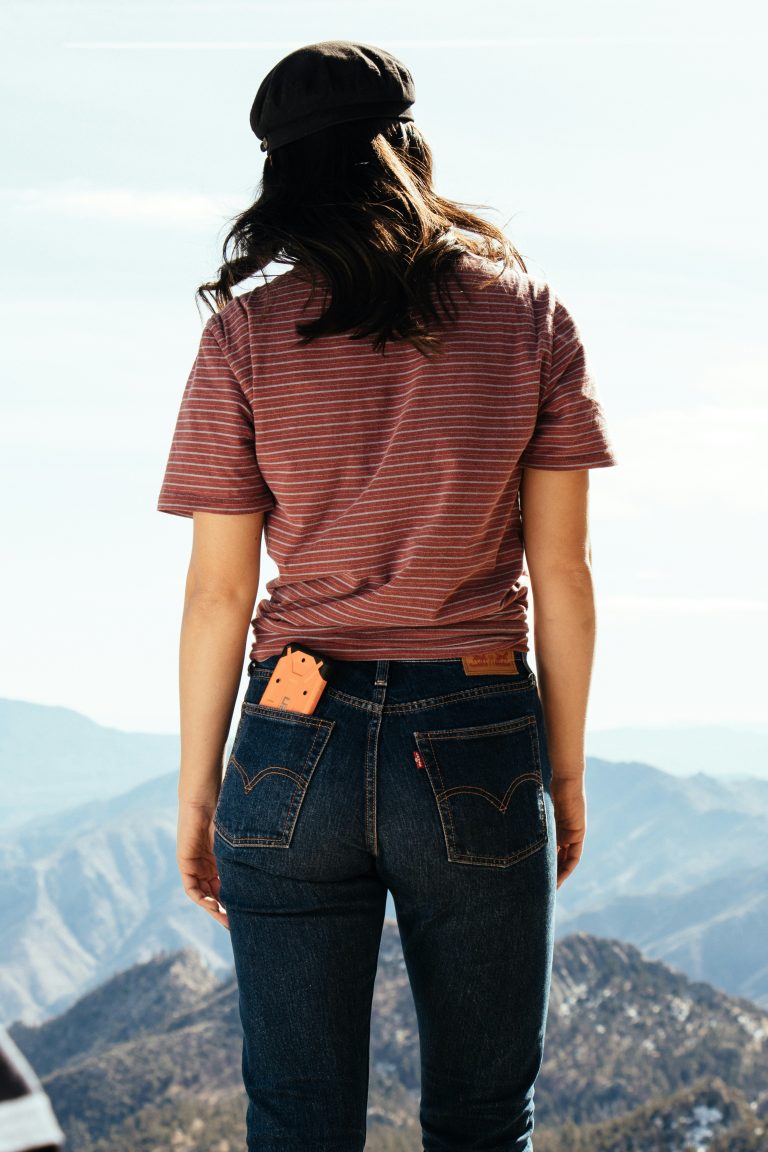
After the World Wars, handbags also became more relevant. Since fashionistas are also part of our society, they saw no need to give women’s clothes bigger pockets.
The other reason women’s pockets are small has to do with pickpocketing in the 18th and 19th centuries. Since the beginning of time, women have been the primary victims of petty thieves. During this time, thieves would cut the strings holding women’s pockets. This gave birth to the term “pickpocketing.”
This led to the shrinking of women’s pockets to make them more secure and prevent pickpocketing. However, this move was quite counterintuitive because women still needed to carry personal items. So, shrinking their pockets forced them to carry handbags, which can also be easily snatched.
Fashion designers have also contributed to women’s pockets being small. In 1954, fashion designer Christian Dior said that women’s pockets are for decoration, whereas men’s are used for keeping things. With such narratives being propelled by owners of leading fashion companies, there was no chance of significant improvement being made on the matter.
To date, women’s pockets are still small. A study by Pudding showed that women’s front pockets are 48% shorter and 6.5% narrower than men’s. As for back pockets, the ones found in women’s clothing are 5% shorter than those found in men’s garments.