

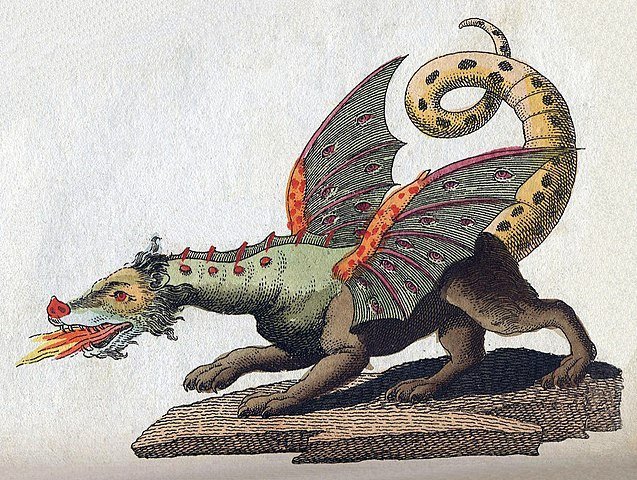

Even before Game of Thrones and the famous game Dungeons and Dragons, dragons have always been part of our culture. These mythical creatures are popular for their remarkable abilities, such as flight and breathing fire. If you’ve always been fascinated by these fire-breathing creatures, here are some lesser-known facts and legends about dragons to make your day.
1. China Had a Rule for Drawing Dragons
In Imperial China, there was a rule for how dragons could be drawn in artwork. Commoners were allowed only to draw dragons with three claws, whereas the upper class could use four claws. Only the emperor was allowed to draw a dragon with five claws. This rule was so seriously enforced that, if caught, it was considered treason punishable by execution.
2. Europeans Associate Dragons with Evil
According to European stories and legends, dragons were evil creatures that brought about terror and wickedness. In the Christian tradition, dragons were sometimes associated with Satan. However, dragons were perceived as a symbol of strength and prosperity in Asia. In the latter nation, dragons were used to decorate everyday items and ceremonies. Therefore, the portrayal of dragons differs significantly based on culture.
3. There are Only Three Countries with Dragons on Their Flags
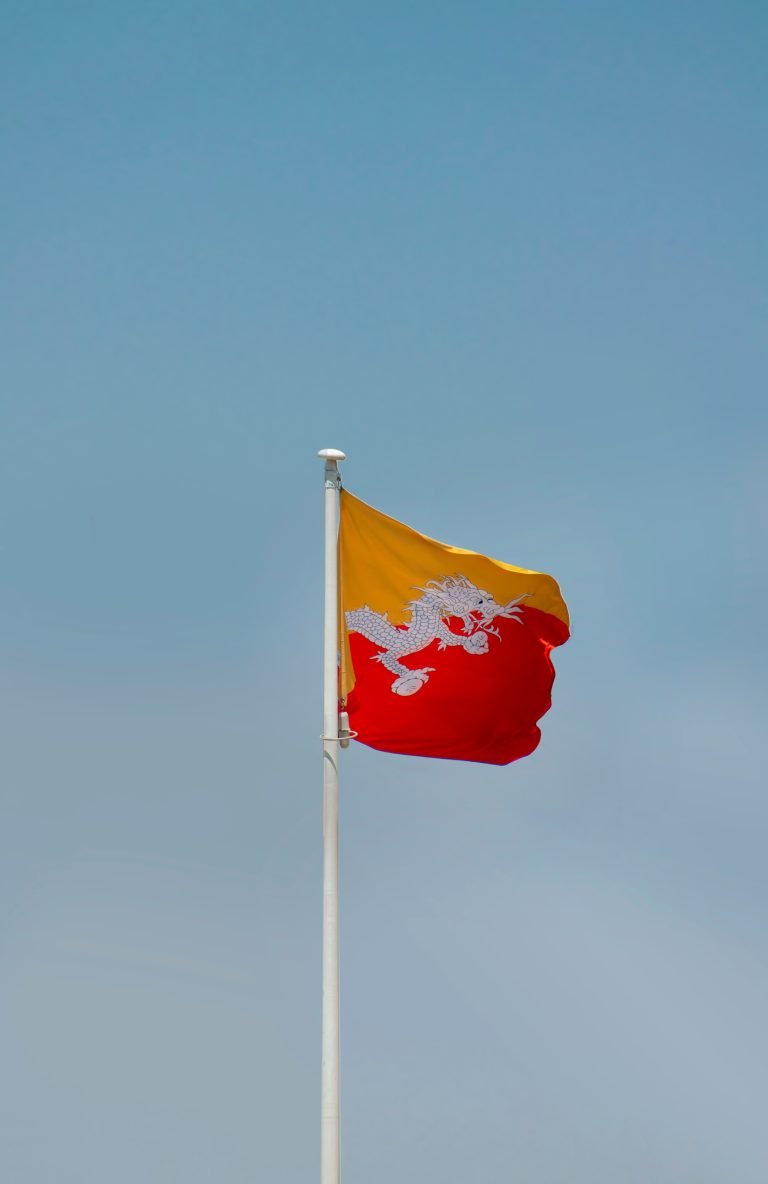
Despite being a mythical creature, dragons have been deeply ingrained in our culture to the point that some countries use their images on their flags. For instance, Malta, Wales, and Bhutan have dragons on their national flags. By the way, Bhutan translates to the land of the Thunder Dragon.
4. Japanese Dragons are Different from Chinese Dragons
Because this creature is perceived differently by varying cultures, differences in its depiction are bound to arise. For instance, the Japanese dragon is very different from its Chinese counterpart. The latter has four or five toes, whereas Japanese dragons only have three toes. Also, the Japanese dragon doesn’t have a mane, as is the case with the Chinese.
5. The Creatures in Game of Thrones are Wyverns Not Dragons
A dragon has four legs and wings, whereas a Wyvern has two legs and wings. Drogon, Viserion, and Rhaegal only had two legs and wings. This makes them Wyverns and not dragons.
6. The Bible Has a Few Texts on Dragons
Dragons have been mentioned several times in the Bible. They are mostly highlighted in the Book of Revelations, which discusses the end of time. In this book, the dragon is associated with Satan. The book also discusses a red dragon with ten horns and seven heads. Towards the end, the scripture narrates how the dragon would be bound for 1,000 years.
7. The Belief in Dragons Came from China and Europe
Scholars believe that the legend of dragons came mainly from Europe and China. However, they also agree that it may have stemmed from Australia and the Americas. These experts believe that the discovery of dinosaur fossils mostly inspired dragons.
Dinosaurs have a very close resemblance to dragons. They were big and had a scaly skin. Other animals that might have inspired dragons include the Goannas, Nile Crocodiles, and Whales.
8. Children Born in the Year of the Dragon Tend to Be More Successful
The Chinese have a Zodiac sign that includes the year of the Dragon – 2024 is such a year. The belief is that children born under this sign will become successful. Supernatural beliefs aside, experts have discovered that parents nurture children born in the year of the dragon more than other kids. As a result, these kids are placed on a better path to success.
9. Buildings in Hong Kong Have Gaps to Allow Dragons to Fly Through
In Hong Kong, several buildings have gaps between them, commonly called “dragon gates“. They exist to let dragons easily fly through them as they head from the mountains to the oceans. As these dragons fly through the buildings, they leave behind a positive energy. This is common in buildings that are located near the sea. Dragon gates are part of China’s feng shui.
10. Dragon Means Huge Serpent in Greek
The word “dragon” was coined from the Greek word drakon, which means huge serpent. Historians are still clueless about how a huge serpent shifted to a dinosaur-looking creature with wings and breathes fire.
11. Not All Dragons Spit Fire
In Game of Thrones, House of the Dragon, and How to Train Your Dragon, all dragons are depicted as fire breathing creatures. However, if all literature works are considered, not all dragons can breathe fire. Some dragons like Jabberwocky spit lightning, Sisu can control water, and Jormungandr from Norse mythology spits venom.
Still, based on the general perception of dragons, it’s important to note that not all dragons have wings. A closer look at Eastern dragons reveals creatures with long serpentine bodies but lack wings. Also, apart from fire, other cultures believe that dragons can control water, earth, and air.
12. Legend Has It That Dragon Blood Has Magical Properties
Cultures who believed in these creatures claimed that dragon blood had magical properties. Some claimed it could heal the worst diseases, whereas others attributed it to giving eternal life.
13. Though Powerful, Dragons Could Be Killed
Even though dragons have long been displayed as fearsome and aggressive, they could be killed. Multiple cultures, such as Beowulf, Siegfried, and Saint George, have stories of dragon slayers.
14. A Hatchling is the Agreed Name for a Baby Dragon
Just like the young one of a sheep is called a lamb, a baby dragon is referred to as a hatchling. The other acceptable name for a baby dragon is a whelp or a wyrmling. However, these two are not very common. Some people sometimes call them dragonets, which is widely considered incorrect.
15. Saint Margaret of Antioch Claimed She Was Swallowed By a Dragon
In the biography of Saint Margaret of Antioch, when she was imprisoned for her Christian beliefs, the devil appeared in the form of a dragon and swallowed her whole. Inside the dragon’s belly, the Saint made the sign of the cross, which burst open, and she set herself free.