

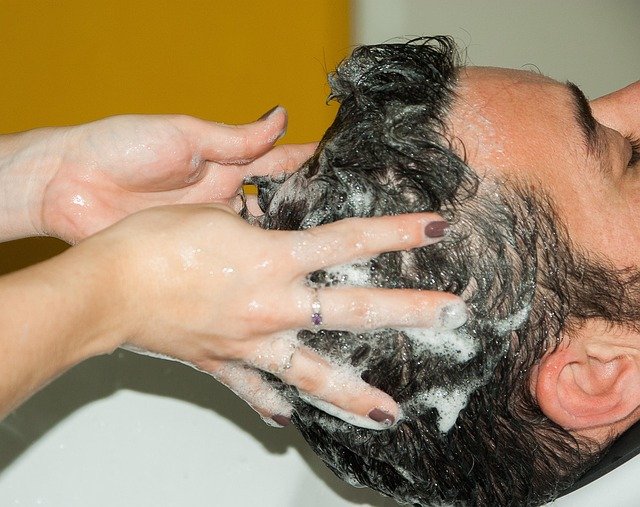

Many people look for ways to slow hair loss and bring back fuller, stronger hair without harsh chemicals. Plant-based shampoos use natural ingredients that support scalp health and steady hair growth, creating a more balanced way to care for hair. These gentle yet effective ingredients work with the body’s natural process instead of stripping or damaging it.
This article explains how key plant-based ingredients in hair loss shampoos can help support regrowth and improve overall hair strength. It explores how nutrients from plants like biotin, nettle extract, coconut oil, peppermint oil, and saw palmetto each play a role in healthy hair maintenance. By understanding what these ingredients do, anyone can make more informed choices to support long-term hair health.
1. Biotin – supports keratin production for hair growth
Biotin, also known as vitamin B7, helps the body create keratin, a structural protein that strengthens hair strands. People with thinning or brittle hair may notice improvement when their diet or hair care routine includes enough biotin. It supports the natural growth cycle by assisting enzymes that build healthier hair fibers.
Many plant-based shampoos include biotin to improve hair texture and reduce breakage. A product such as shampoo for thinning hair for men often combines biotin with other botanical ingredients to support scalp health and follicle strength. Regular use can improve the appearance of hair over time.
Most people already get enough biotin from foods like eggs, nuts, and seeds. However, those who experience noticeable shedding or have a deficiency may benefit from shampoos or supplements that include this nutrient. Balanced nutrition and gentle hair care can help maintain consistent growth and reduce further loss.
2. Nettle Extract – nourishes scalp and stimulates follicles
Nettle extract comes from the leaves and roots of the stinging nettle plant. It supplies minerals such as iron, magnesium, and silica that support healthy scalp function. These nutrients help the scalp stay balanced and supply hair follicles with what they need to grow stronger strands.
Researchers have found that nettle can help lower levels of DHT, a hormone that weakens follicles and leads to hair loss. By reducing this effect, nettle extract helps preserve thicker hair and can slow shedding. It also calms scalp irritation, which supports a better environment for new growth.
In shampoos, nettle extract works as both a cleanser and conditioner. Regular use can help improve circulation to the scalp and make hair appear fuller over time. Therefore, it serves as a natural botanical choice for anyone who wants to support healthy hair regrowth through plant-based ingredients.
3. Coconut Oil – strengthens hair and reduces breakage
Coconut oil helps strengthen hair by deeply penetrating each strand. It delivers nutrients that support the hair’s natural structure while locking in moisture. This process makes hair feel softer and less likely to snap or split.
The oil also protects against protein loss, which often leads to weak and brittle strands. As a result, consistent use can make hair appear thicker and smoother. It supports the scalp too, helping to keep it hydrated and balanced.
Regular use before or after washing can reduce damage caused by brushing or heat styling. Many people notice less breakage and an easier time managing frizz. Therefore, coconut oil remains a trusted ingredient in many plant-based shampoos that aim to reduce hair loss and maintain strength over time.
4. Peppermint Oil – improves circulation to scalp
Peppermint oil supports scalp health by helping increase blood flow to hair follicles. This rise in circulation can deliver more nutrients and oxygen, which may aid natural hair growth. The oil also gives a cooling effect that can calm itchiness and dryness.
Research has found that peppermint oil may extend the growth phase of the hair cycle. In animal studies, it showed stronger growth results than some common treatments. This effect may come from menthol, the main compound in peppermint, which helps stimulate the scalp.
To use it safely, the oil should be diluted with a carrier oil before application. A few drops mixed into the scalp through gentle massage can help refresh the skin and remove buildup. Regular use may leave the scalp cleaner, less irritated, and better prepared for new growth.
Many people find peppermint oil a simple addition to plant-based hair products. It fits well into routines that aim to support stronger, healthier hair through natural care.
5. Saw Palmetto – inhibits DHT to prevent hair loss
Saw palmetto comes from the berries of a small palm native to the southeastern United States. It has gained attention for its potential to support hair health in both men and women. Many hair loss shampoos include it as a natural active ingredient for this reason.
Research shows that saw palmetto may block the enzyme 5-alpha reductase. This enzyme converts testosterone into dihydrotestosterone, or DHT, a hormone linked to shrinking hair follicles. By lowering DHT levels, saw palmetto may help slow hair thinning and protect existing hair.
Users often choose saw palmetto as a gentler alternative to synthetic treatments. It can be used in shampoos, conditioners, or supplements. Although more studies are needed to confirm its full effectiveness, current findings suggest that saw palmetto can support healthier scalp function and reduce hair shedding over time.
Conclusion
Plant-based ingredients give natural shampoos measurable value for people who want healthier, fuller hair. Extracts such as aloe vera, rosemary, and ginseng help nourish the scalp and strengthen follicles. These compounds may also improve blood flow and support the natural hair growth cycle.
Each ingredient offers a clear role. Aloe vera calms irritation and adds moisture. Rosemary can stimulate new growth. Ginseng helps reduce hair thinning caused by stress or weak follicles. Together, they provide gentle care without harsh chemicals.
Scientific evidence still develops, yet early findings show consistent promise. Users often report cleaner scalps, softer strands, and gradual improvement in thickness. This balanced approach combines traditional plant knowledge with modern research for practical results.