

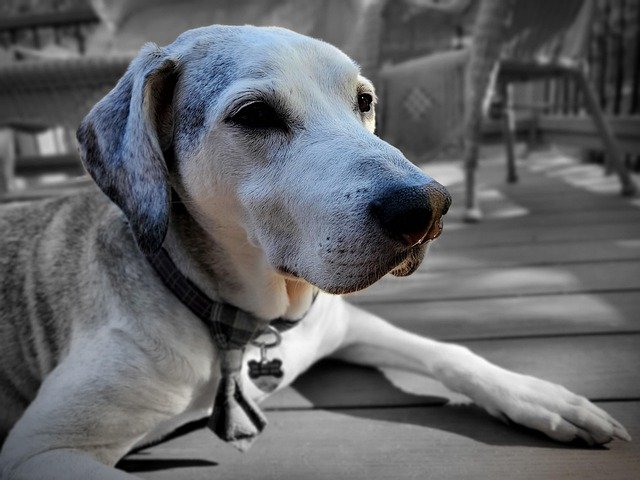

Aging is a natural part of life, and dogs experience it just as humans do. As the years pass, energy levels may decline, joints can become stiffer, and certain activities may seem more challenging. However, a senior dog’s golden years can still be filled with joy, vitality, and movement. The key lies in adjusting routines and introducing new ways to keep them both physically and mentally engaged.
Maintaining mobility in older dogs is essential for overall health. Nutritional support, such as bone meal for dogs, can help strengthen bones and make daily activities easier. Without proper stimulation, muscles weaken, balance declines, and the risk of weight-related health issues rises. Fortunately, a few simple but creative strategies can keep tails wagging and spirits high for years to come.
1. Add Gentle, Joint-Friendly Activities
Not every activity needs to be high-energy to be effective. Low-impact exercises, such as leisurely walks, swimming, or gentle fetch, can work wonders for senior dogs. These activities protect the joints, promote muscle strength and cardiovascular health. Swimming is particularly beneficial as the buoyancy of water reduces stress on hips and knees.
Even short 10- to 15-minute sessions in a safe, shallow area can significantly improve flexibility and endurance. When taking walks, choosing softer surfaces like grass or dirt paths over concrete can also make a big difference in comfort. Small adjustments in the environment can encourage movement without putting undue strain on the body. Maintaining a consistent but gentle activity schedule supports long-term mobility and helps reduce stiffness.
2. Boost Bone Strength and Joint Care
Aging dogs often require additional nutritional support to maintain strong bones and healthy joints. Supplements like glucosamine, omega-3 fatty acids, and bone meal for dogs can provide essential nutrients that aid in joint cushioning and skeletal strength. These additions can make daily movement more comfortable and encourage a more active lifestyle. Regular veterinary check-ups are important for monitoring bone density and joint health.
Early intervention can slow the progression of arthritis or degenerative joint conditions. Combining professional guidance with targeted nutrition allows senior dogs to stay mobile with less discomfort. Ensuring adequate hydration also plays a role in joint health. Proper water intake helps lubricate joints, which can reduce stiffness after rest and improve mobility during activities.
3. Engage the Mind Alongside the Body
Physical activity is not the only thing to consider. Mental stimulation is equally important for older dogs and can actually encourage more movement. Puzzle feeders, scent-tracking games, and interactive toys keep the brain sharp while gently engaging the body. For example, hiding treats around the home or yard encourages sniffing, walking, and problem-solving.
Even a few minutes of mental games can boost mood and energy, leading to more physical activity later in the day. Training short, new commands can also enhance focus and coordination. Keeping the mind engaged can help reduce signs of cognitive decline, which often affects activity levels in senior pets. A stimulated mind often results in a more eager and active body.
4. Adapt Playtime to Their Needs
Senior dogs may not chase balls for hours as they once did, but play remains an essential part of their routine. Adjusting activities to match their abilities keeps the experience enjoyable while reducing the risk of injury. Soft toys, gentle tug games, or short-distance ball rolls can keep the fun alive without exhausting them. Consider shorter but more frequent play sessions throughout the day.
This approach allows older dogs to enjoy movement without overexertion. Rotating toys regularly can also keep their playtime engaging and refreshed. Paying attention to subtle signs of fatigue is important. Allowing rest periods ensures that activity remains safe and comfortable, promoting long-term engagement rather than discouragement.
5. Make Spaces Safe and Easy to Navigate
Mobility challenges can discourage older dogs from moving as much as they should. Making the home and outdoor spaces more accessible encourages them to stay active without the fear of pain or injury. Simple modifications, such as adding ramps to replace stairs, providing supportive bedding, or placing food and water in easily accessible spots, can promote confidence and activity. Outdoor spaces should be free from slippery surfaces and obstacles.
A secure, flat area encourages gentle play and exploration. Even indoor obstacle courses with soft cushions and low platforms can encourage light movement while keeping things safe. A comfortable environment can make the difference between a dog that remains active and one that becomes reluctant to move. The more inviting and easy-to-navigate the surroundings, the more likely they are to engage in daily activities.
Helping a senior dog stay active is about balance, adaptation, and understanding their changing needs. Incorporating nutrient-rich options like bone meal for dogs, maintaining a supportive routine, and providing a safe, engaging environment all contribute to an active and fulfilling life for aging companions. A thoughtful combination of these strategies ensures that senior dogs continue to thrive well into their later years.