


Uniforms are not just worn by students. They are common among professionals such as doctors, nurses, pilots, flight attendants, police officers, chefs, servers, mechanics, and sports players, among others. Even though most people don’t think much about the role uniforms play in society, the attires provide a sense of identity. Today, we look at some fascinating uniform facts you (probably) didn’t know.
1. Christ’s Hospital School Has Been Wearing the Same Uniform for 460 Years
In the UK, there is a school called Christ’s Hospital, which has been wearing the same uniform for more than 460 years. That’s quite interesting, considering every such institution changes uniforms almost every decade to keep up with the latest fashion trends.
2. Georgio Armani Helped Design Modern Italian Police Uniforms
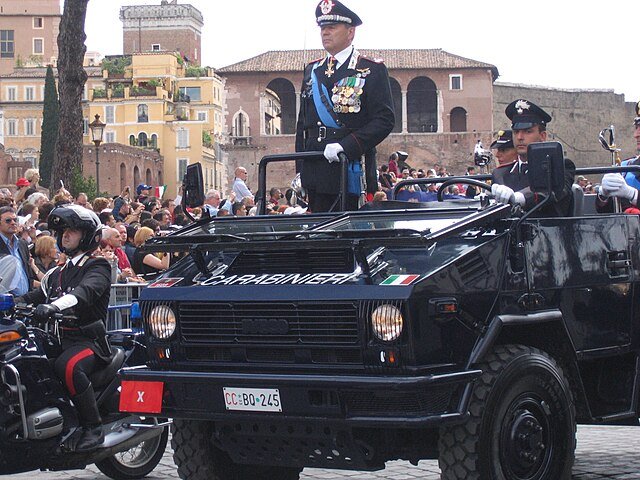
The renowned fashion designer Georgio Armani helped design some of the modern Italian police uniforms. This is one of the reasons why the Italian Carabinieri are considered some of the best-dressed police forces in the world.
3. It is a War Crime to Wear an Enemy’s Uniform as Disguise
The International Committee of Red Cross ruled that it’s a war crime for military officers to wear their enemy’s uniform in disguise to attack, shield or gain favor from the opposite camp. If one is captured wearing the enemy’s uniform, they should be treated as unlawful combatants or spies.
4. Moustaches Were Part of the British Army Uniform
From 1860 to 1916, a key requirement of the British Army Uniform was a moustache. All soldiers were prohibited from shaving the facial hair on their upper lips. Doing so was considered an act of indiscipline.
5. There are Chips in NFL Uniforms
To provide player statistics in real-time, the NFL has added microchips to players’ uniforms. These devices track a player’s movement and the ball. It also gives statistics on speed and other relevant data.
6. China Has Introduced Smart School Uniforms with GPS Tracking
As of 2018, China introduced smart school uniforms equipped with GPS trackers. These uniforms have microchips similar to the ones in NFL uniforms. In this case, they are used to monitor a student’s attendance. The teachers and parents are notified if the student leaves school before hours.
7. It is Illegal to Wear Fake Military Uniforms in Public
Unless you are a military officer, wearing a fake military uniform or anything resembling it in public is unlawful. This applies not just in the United States but also in many other countries. Wearing a fake military uniform is prohibited because it might send the wrong message to the public. Remember, military officers are trained to behave and conduct themselves professionally. Also, until the 1970s, it was against the law for films to portray military uniforms negatively.
8. Prisoners in France Do Not Wear Uniform
Every country has a distinct uniform for prisoners. It often ranges from orange overalls to striped black and white uniforms. Interestingly, in France, prison uniform was abolished in 1983. From then, prisoners get free clothing suited to the current weather.
During summer, they can get T-shirts and light trousers. In winter, they get heavier clothing like sweaters and hoodies. Most of the clothing for prisoners in France comes from charities.
9. Police Officers Wear Blue Uniform Because It’s Easy to Clean
While there are many probable reasons why police officers wear blue uniforms, the most valid one is because this color is easy to clean. Police officers work 8-to-12-hour shifts. During this period, their clothes can easily become dirty. When they get home, the blue uniform can easily be cleaned for the next day.
The other reason blue is the go-to color for police officers is that it promotes camouflage at night and portrays a sense of calmness and trustworthiness.
10. Some Uniforms are Designed to Promote Safety
Depending on the organization or profession, some uniforms are designed with safety in mind. Take the military uniform, for instance. It’s designed to be efficient during combat. Looking at the attire of construction workers, they wear helmets and gloves to protect their heads and hands.
11. Uniforms Make One Appear More Professional
How would you react if a surgeon walked into an operating room dressed in jeans and a Gucci t-shirt? You’d probably feel like you’re in the wrong hands, even if they have decades of experience. Fortunately, uniforms can help change this perspective.
In a hospital setting, for example, doctors dressed in scrubs and coats appear more professional. The same applies to military personnel and police officers. Some private companies introduce uniforms to make their company appear more professional. Still, on professionality, uniforms also build trust from customers. Clients are more likely to trust an organization dressed in uniform than an informally dressed staff.
12. Uniforms Boost Confidence
Whether it’s at school or the workplace, uniforms are known to improve confidence. People often feel judged by their fashion choices. They can sometimes feel under or over-dressed, affecting their confidence levels. However, by wearing uniforms, everyone appears neutral. As a result, people don’t have to focus on their appearance. Instead, they focus on work or studies.
13. Uniforms Encourage Collaboration
By wearing the same uniform, people in an institution feel like they are part of a team. This fosters collaboration and team spirit. Whether it’s a school or workplace, everyone will feel the urge to partner and achieve the required objectives.