


After watching a movie like The Gladiator, one can’t help but wonder what it was like to be a spectator at the Roman Colosseum. Life in Ancient Rome was quite interesting. Whether you were royalty or struggled economically, one thing that you’d look up to is a trip to the Colosseum and watch the gladiator games. The bloody fights inside the massive Flavian Amphitheater was something everyone wanted to experience at least once in their lifetime. Today, let’s go back in time and recreate a spectator’s experience at the Roman Colosseum.
How People Got to the Roman Colosseum
Getting to the Colosseum was the most hectic part, especially for those who lived further away. In its prime, the Roman Colosseum could house at least 50,000 people. Even though it was massive, the number of spectators was more than the Colosseum could handle. The streets leading to the Colosseum were crowded and filled with both spectators and vendors. Despite all those challenges and more, fans still found their way into the amphitheater.
Was Entry to the Roman Colosseum Free?
Upon arrival, it has been debated whether entry was free or if people were sometimes asked to pay to get inside the Colosseum. The only known fact is that spectators had various seating arrangements.
What Was the Seating Arrangement at the Roman Colosseum?
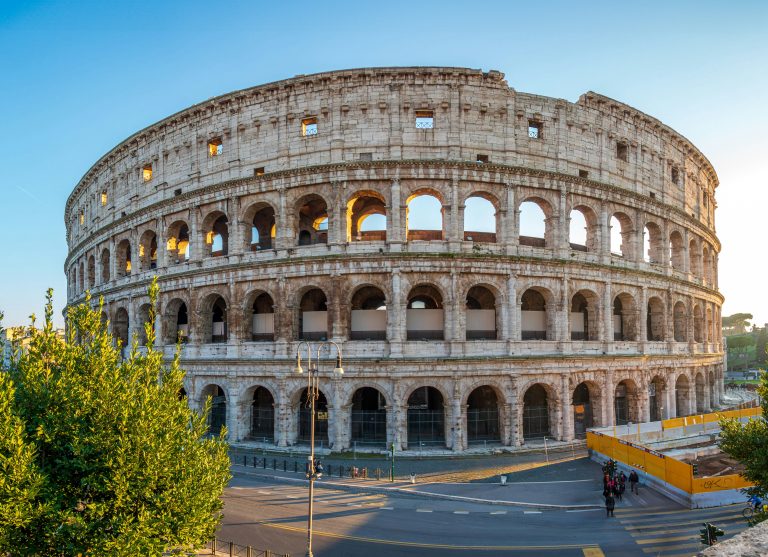
The emperor and his royal family sat at the Podium, separated from other ordinary people. It was much closer to the arena floor, considering they were the main spectators of the fights. The business class in Ancient Rome, popularly known as the Equestrians, occupied the second level. Wealthy citizens followed them, and commoners got the highest level.
The level of experience at the Roman Colosseum gladiator games depended heavily on social class. Commoners would sit further from the arena floor and wouldn’t have the best view. The Colosseum also had one big curtain that shielded the sun from scorching the emperor and royal class. It was attached to ropes and poles that would be moved around as the sun moved from the east to the west.
The Pre-Match Rituals at the Roman Colosseum
One thing all spectators at the Colosseum shared was their eagerness to watch the fights. Guards played a crucial role in controlling the crowd. Upon entry and seating, the crowd roared with excitement even before the fights began. This was a popular culture during that time, and fights did not start out of the blues.
Instead, there were welcoming shows where gladiators would walk into the arena and showcase their muscles and weapons. Sacrifices would be made to the gods, and priests performed various rites. The gladiators would swear their oaths before the emperor would officially start the event.
How Were the Matches at the Roman Colosseum Like?
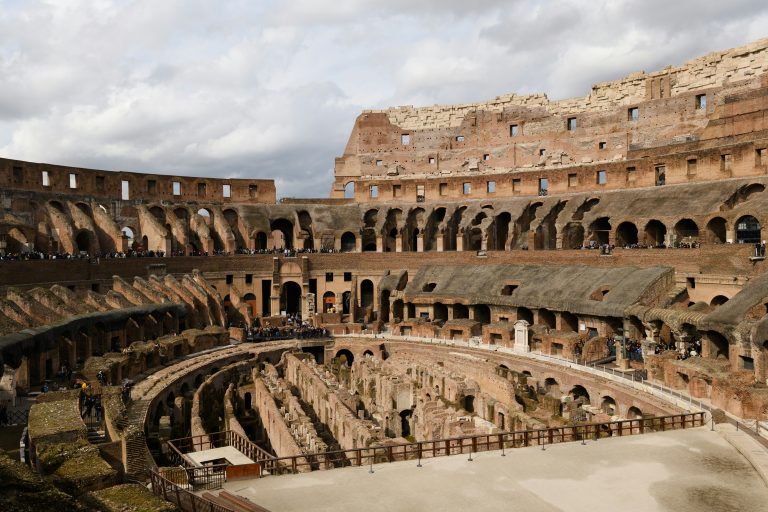
Watching the gladiators fight was the best part of being a spectator at the Roman Colosseum. The bloody sports would begin after gladiators faced off with each other. Ancient Romans were very brutal in combat, as the gladiators used crude weapons to inflict injuries on their counterparts.
While swords were the common go-to weapons, hammers, shields, and tridents were also allowed. At the time, gladiators were like modern-day boxers or UFC fighters, so people had favorites. Some of the most famous gladiators of that era included Verus, Priscus, and Spartacus, who revolted against the Roman Government.
As the leading spectator, the emperor decided whether a gladiator died or lived. Most fans loved a fight to the death. So, when the emperor would signal a thumbs down, the crowd would cheer very loudly.
Were Fights at The Roman Colosseum Only about Gladiators?
No, fights at the Roman Colosseum weren’t only between gladiators. Sometimes, exotic animals like elephants and lions would be involved. Renowned hunters would be allowed to fight these animals in the arena.
Spectators would cheer joyfully when a rhino mauled up a hunter, tearing one limb after another. Animal fights were also a means for the emperor to showcase might. Therefore, hunters would be asked to travel far searching for exotic animal species.
As a spectator at the Roman Colosseum, one would also enjoy being entertained by clowns, jugglers, and acrobats. In between fights, performers would be asked to step into the arena and showcase their skills. To give the crowd a break from blood and brutality, the latter would leave the Colosseum echoing with sounds of laughter and happiness. Musicians would play instruments such as drums and harps.
Were There Public Executions at the Colosseum?
Strangely, gladiator sports at the Colosseum also coincided with public executions. Traitors, thieves, and murderers would either be forced to fight with gladiators or executed publicly. The presence of many spectators acted as the ideal place for the emperor to send stern warnings to anyone who would go against his wishes. Considering how thirsty many spectators were for bloodshed, this was more fun for the crowd.
The Vendors at the Colosseum
Like modern-day stadiums, the Colosseum also had vendors who sold snacks and beverages to the spectators. The menu included meat, bread, fruits, sausages, and sweet cheesecake. Social class heavily determined the kind of snacks a spectator would eat. The rich had access to finer foods, whereas the poor consumed regular snacks.
What Was The Best Time to Visit the Roman Colosseum?
The best fights happened at the end of the month. Most grand finales involved face-offs between champions or a simulated naval battle in a flooded arena. Animal fights were also placed at the grand finale.
These jaw-dropping battles were the climax of any event at the Roman Colosseum. Historians have alleged that the entertainment at the Roman Colosseum was a distraction for the commoners. The emperor would host these shows to distract the Romans from their poor and horrible lives. This explains why more evidence leans towards entry to the Colosseum being free of charge.
It’s also important to note that the emperor would sometimes decide to gift some spectators with money, land, houses, or food. The emperor also introduced small wooden balls that could be redeemed for gifts.
Leaving the Roman Colosseum
After having a fulfilling day at the Colosseum, spectators would head home contented with the thrill of the battles they had just witnessed. Outside the arena, the Romans would buy souvenirs to commemorate their trip to the Colosseum. Vendors sold gladiator merch and accessories. Others would buy food for dinner. The men would go straight to taverns and have a drink while narrating what they just experienced. If one had placed a bet, they would cash out after the event and enjoy their winnings.
Why Did Gladiator Fights at the Roman Colosseum End?
When the Romans embraced Christianity, it marked the end of gladiator fights at the Colosseum. The Roman Emperor Honorius closed gladiator schools in the fourth century AD. Before that, there was a time when a Christian monk entered the Colosseum arena to stop a fight and was stoned to death – they took the sport that seriously. In 422 AD, a massive earthquake damaged the Colosseum, and all other events stopped being held there. Eventually, the Colosseum fell with the Roman Empire. Only ruins of this marvelous structure are left behind.