

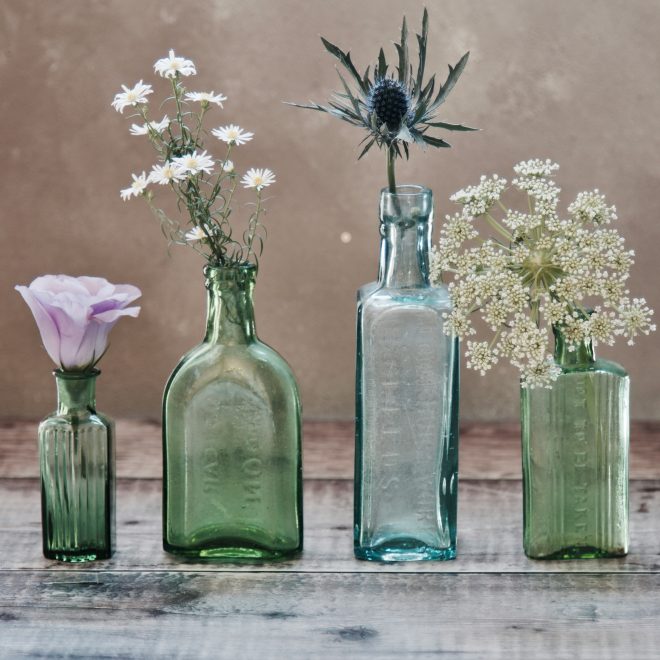

Glass is one of the most interesting materials– it’s made from sand, yet it’s transparent. It is used almost everywhere, including in windows, phones, cars, bulbs, and mirrors. Here are more facts about glass that will blow your mind.
1. It is Non-Biodegradable
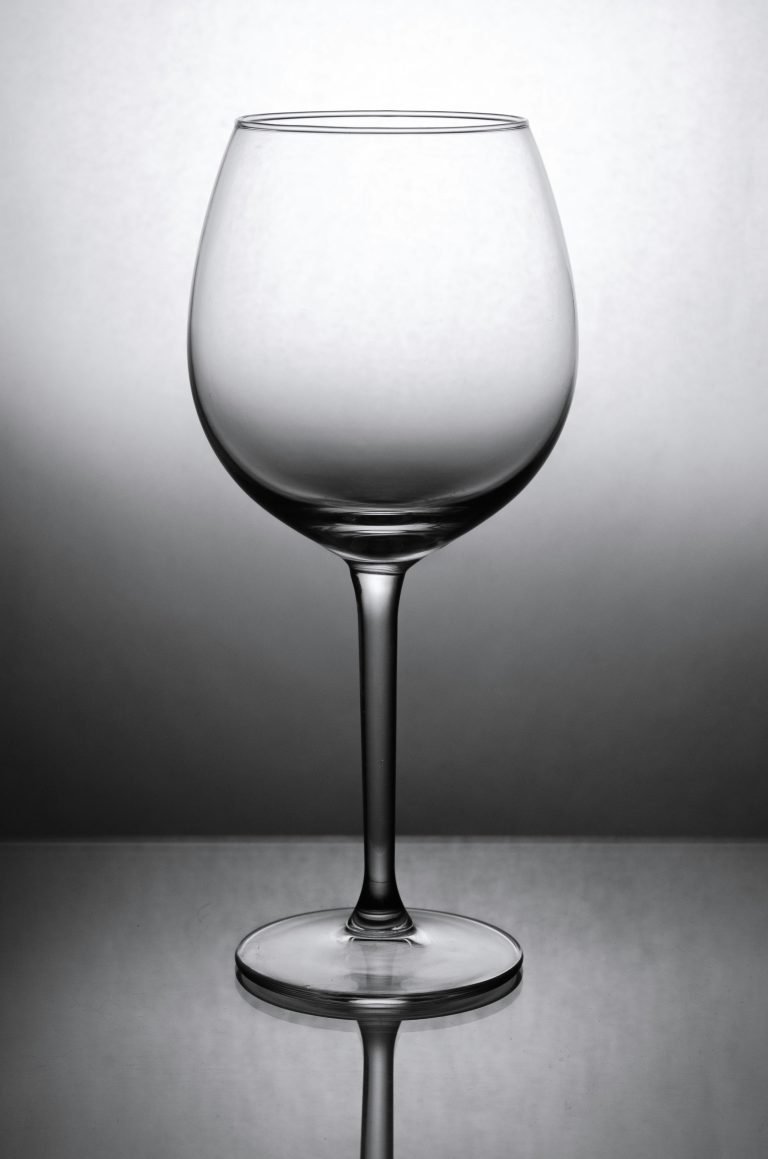
Glass does not decompose. Sand is the main ingredient used to make glass, which is non-biodegradable despite being a naturally existing material. As a result, glass can stay in the environment for a very long time.
2. Not All Glass Can Be Recycled
There are different types of glass, some of which cannot be recycled. A good example is drinking glass. This type contains chemical additives that increase the melting point of the glass while making it more fragile.
3. Glass was the Preferred Material for Greenhouses
Before plastic, greenhouses were mostly made using glass. This was the preferred material because it made greenhouses look more aesthetically appealing. However, most farmers have switched to plastic because it is cheaper and easier to maintain.
4. Mirrors are Made Using Glass and Silver
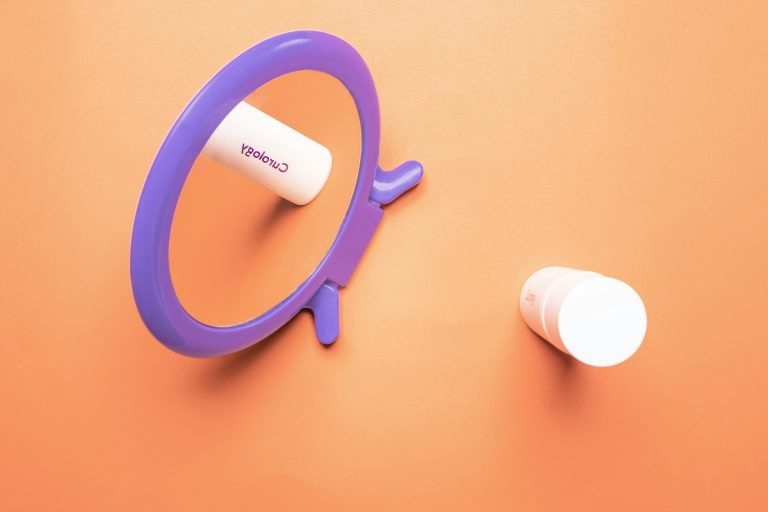
Ever wondered why mirrors are more reflective than ordinary glass? It’s because they contain a combination of both glass and silver. In 1835, a chemist, Justus Von Liebig, discovered that applying a layer of silver over glass makes it more reflective. Today, manufacturers also use chrome and aluminum on glass to make mirrors.
5. Stunt Glass is Made Using Sugar
Performers use stunt glass because it’s not as dangerous as regular glass. Surprisingly, stunt glass is not made from sand; it’s made using sugar. The sugar is dissolved in water and heated to 148 degrees Celsius. Fun fact: Stunt glass is edible.
6. Brown and Green Glass is Used to Preserve Beer Taste and Flavor
Most beers are sold in green and brown bottles to block out UV rays. Transparent glass isn’t ideal because it allows UV rays to pass through, thus altering the taste and flavor of the drink.
7. Glass Containers are Healthier than Plastic Ones
Plastic containers are cheaper, therefore they are a more popular choice. However, glass containers are much safer. Unlike plastic, glass contains minimal toxins and chemicals, so the odds of food contamination are minimal. Also, glass can be microwaved as long as it doesn’t contain dye or other metals.
8. Tempered Glass is Safer
Unlike regular glass, tempered glass breaks into tiny pieces instead of shards. This makes it safer than regular glass, which breaks into bigger pieces that can easily cut or hurt someone. With this feature, tempered glass doesn’t cut.
9. Nature Was the First to Make Glass
Before Mesopotamians learned to make glass 4,000 years ago, nature was two steps ahead. Natural occurrences such as lightning striking sand and volcanoes fusing with rocks created glass in various forms. Thanks to nature, glass exists in the form of fulgurites and obsidian.
10. King Charles VI Thought He was Made of Glass
Popularly known as Charles the Mad, Charles VI, king of France, thought he was made of glass. He would wrap himself with blankets so that he wouldn’t break. Charles the Mad would also walk around with iron rods, claiming they would protect him. The leader was suffering from a condition called glass delusion.
11. Modern Car Windshields are Made Using Laminated Glass
As technology keeps evolving, car manufacturers these days use laminated glass infused with spider web mechanisms. In case of an accident, the glass won’t spill to other parts of the car. Instead, it will be held together by a layer of polyvinyl. Laminated glass can also be repaired. That’s why minor dents on the windshield can be repaired at the auto shop or dealership.
12. Glass is Considered the 4th State of Matter
There are three states of matter: gas, solid and liquid. However, glass is neither of these three, so scientists have categorized it as a 4th state of matter known as an amorphous solid. This is because it is too rigid to be a liquid and lacks the molecular structure of a solid.
13. There are Glass Whiteboards
Initially, whiteboards were mostly made out of melamine. Today, institutions such as schools and colleges are shifting to glass whiteboards. They are made of tempered glass, which is difficult to break and an eco-friendly option. Glass whiteboards do not stain or streak as with other materials.
14. Regular Glass is Green and Not Clear
Contrary to popular belief, regular glass is not clear or transparent; it has a shade of green, which is visible on the edges. The thicker regular glass is, the greener it becomes. This color can sometimes be bluish, depending on the amount of impurities. Iron has to be reduced when sand is melted for glass to be transparent.
15. Stained Glass Dates Back to 400 AD
Stained glass has been around for centuries since it was first used by Christian Churches in 400 AD. This design has been retained for centuries.
16. Most Countries are Advocating for the Recycling of Glass
Since the onset of the 21st century, most countries have started advocating for glass recycling. As mentioned earlier, glass cannot decompose. Therefore, instead of filling landfills with glass, it’s best to recycle this material.
In countries such as Germany, 80% of the glass sold is recycled. This initiative also minimizes the amount of energy used to manufacture glass. It also conserves raw materials such as limestone, soda ash, and sand. The best part is that glass can be recycled indefinitely.