


People love corn so much that they made a song about it on the TikTok social media platform. That’s expected because, after all, corn has been the world’s staple food for centuries, usually served as a side dish. It’s rich in sodium, carbohydrates, antioxidants, and B vitamins. Despite being a popular meal, there is a lot about corn most people do not know. Here are the top 14 of them.
1. Corn Sweat Can Increase Humidity Levels by 30%
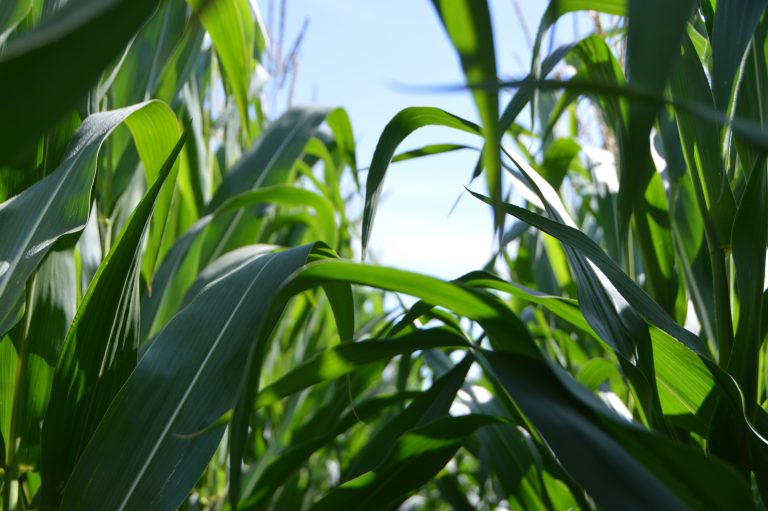
To stay cool, corn plants produce water, which is often referred to as corn sweat. In large corn plantations, it is estimated that the sweat released by these plants can increase humidity levels by up to 30%. An acre of a corn plantation can release up to 3,000 gallons of moisture. Though beneficial, corn sweat is known to make heat waves more uncomfortable.
2. A Corn Plant Needs 21 Gallons to Grow
A single corn plant requires at least 21 gallons to grow to maturity. This translates to 2,300 gallons for every bushel of corn. As mentioned earlier, corn loses a lot of water through perspiration, so it needs to be watered regularly.
3. People Used Corn Instead of Coal during the Great Depression
While it’s true the prices of many basic commodities went up during the Great Depression, corn wasn’t affected much. On the contrary, corn prices were so low that some families used it as an alternative to coal. At that time, a bushel of corn cost 8-10 cents, so it was cheaper to throw corn into the stove instead of coal. This concept has been repeated several times when corn prices drop.
4. There are Thousands of Corn Varieties
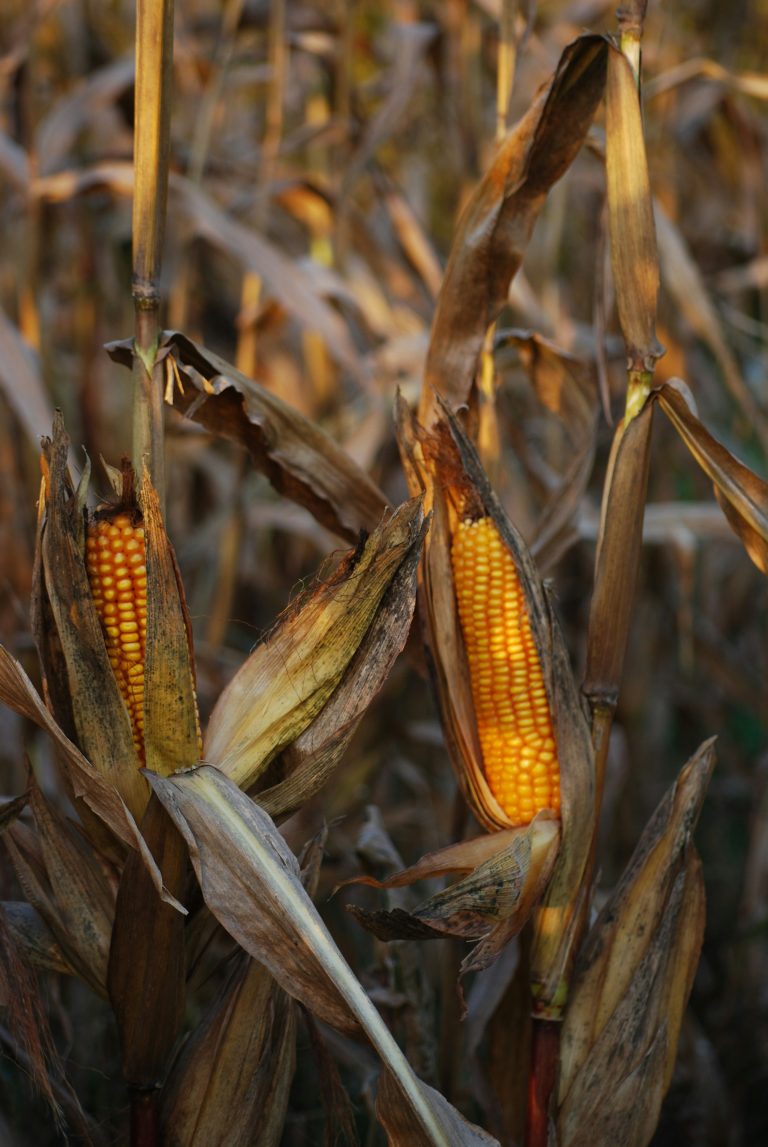
Most people are only familiar with sweet corn, popcorn, dent corn, flour corn, and flint corn. However, there are thousands of corn varieties in the world. For instance, Mexico’s International Maize and Wheat Improvement Center has about 28,000 unique corn collections. There are plenty more in other seed banks across the globe.
5. Jack Daniels Contains 80% Corn
When formulating the recipe for the famous Jack Daniels alcoholic beverage, the manufacturer utilized 80% corn, 12% barley, and 8% rye. They have stuck to this recipe and only use No. 1 quality corn.
6. Popcorn Dates Back to the 16th Century
To many, popcorn seems like a modern snack. However, its history dates back to the 16th Century. The Aztec Indians used popcorn as a go-to meal for ceremonies and special occasions. This community loved popcorn so much that they created a dance for it. However, they prepared it slightly differently because they did not have microwaves and pans. The Aztecs threw the popcorn into burning coal or hot sand.
7. Corn is Man-Made
While most plants and crops consumed by humans once grew naturally, corn didn’t. It is man-made and was invented through selective breeding. According to scientists, a community living in central Mexico created the first corn plants from a wild grass species called teosinte. This means that there are no corn plants in the wild. If humans stopped growing corn today, it would be wiped out of existence.
8. Corn is Partially Undigested
Corn kernels can sometimes be seen in human excretion because they are partially undigested. Corn comprises of an outer kernel made of cellulose, which is indigestible. When a human being consumes corn, only the inner part is absorbed, and the outer shell is excreted through stool. Despite being partially indigestible, corn remains a highly nutritious meal.
9. Corn Silk Was Used to Treat Urinary Tract Infections
Corn silk, the thread-like strands found at the top of the ear, were used in places such as China as a treatment for urinary tract infections like Cystitis. It helped ease inflammation and irritation in the genital areas.
This treatment was based on the belief that corn silk is an antiseptic. Minimal studies have been done on corn silk’s effectiveness in treating UTIs. As such, people should stick to modern treatment options such as antibiotics.
10. Europeans Thought They Would Turn to Indians If They Ate Corn
While colonizing the Americas, the Spaniards considered the indigenous food inferior. Back then, corn was the leading staple food, and the Spaniards thought that if they ate it, they would turn into Indians. This is one of the challenges the Europeans faced when conquering the new worlds.
11. Corncobs were Once Used as Toilet Paper
Amongst rural agrarian civilizations, there were a couple of options that were used as toilet paper. One of them was corncobs. During this time, corncobs were widely available and very effective at cleaning up. They were also softer than options like sea shells.
12. Corn is a Fruit, Vegetable, and Grain
For a long time, people have debated whether corn is a fruit or a vegetable. Well, it happens to belong to both groups and besides being a vegetable and fruit, corn is also a grain. It belongs to the Poaceae family.
13. Corn is Also Used to Make Fuel
Apart from gracing our dinner plates in the majority of the nights, corn is also used to make fuel. Corn can be converted into ethanol and used as a domestically produced fuel alternative. This is why most ethanol plants are located close to corn farms.
14. Corn Has Thousands of Names and Uses
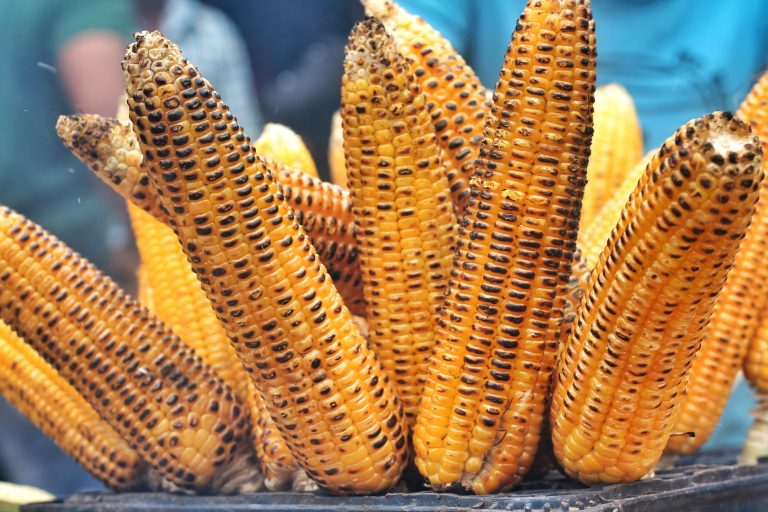
In the United States and Europe, corn is the main name, and it is sometimes referred to as maize. But in other parts of the world, corn goes by many names, and it’s prepared differently. For instance, in Kenya, corn is ground into flour and used to make a meal called ugali. The same plant is called Nshima in Malawi, and South Africans refer to corn as pap. This Mexican delicacy has, over time, spread to all parts of the world.