

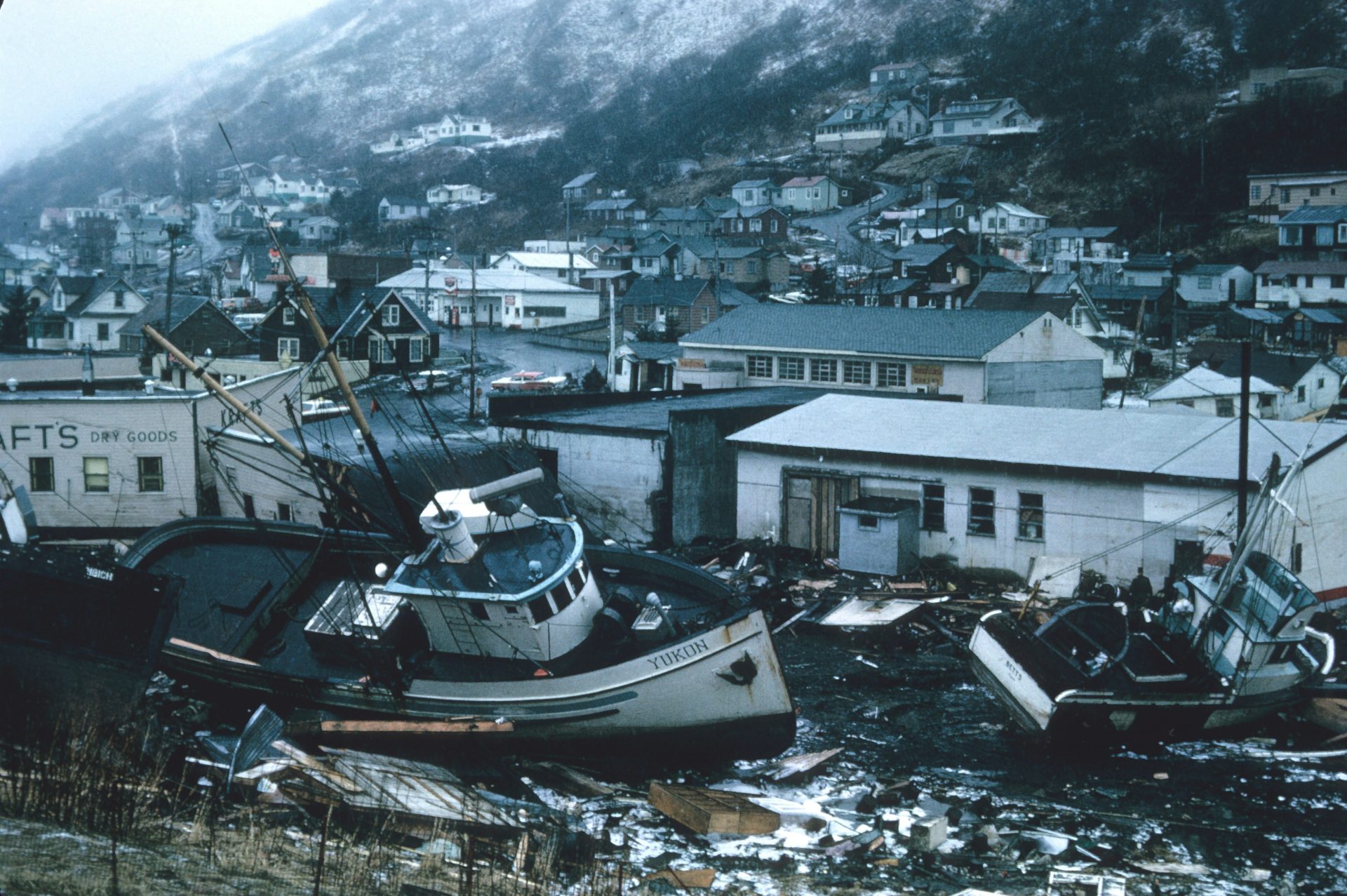

When reading through history, it’s surprising how the human race has made it to the 21st century. Over the years, different civilizations have faced numerous challenges, including natural disasters threatening to wipe out our entire species. Whether it’s floods, volcanoes or earthquakes, these natural disasters don’t just lead to the destruction of property; they have, over time, taken away millions of lives.
Today, our technology is quite advanced. There are facilities, systems, and measures designed to respond to natural disasters. Even so, we sometimes still struggle to handle some catastrophes. This begs the question: How did our ancestors get through these calamities? Did they rely on supernatural beings for protection, or was it sheer luck? Let’s find out.
How Ancient Civilizations Dealt With Natural Disasters
To provide a more definitive answer, this article will list various natural disasters and pinpoint how certain ancient civilizations responded to them. That’s because different cultures had varying responses, depending on what affected them.
Plagues
Unlike most natural disasters that only occurred every once in a while, plagues were pretty common amongst earlier civilizations. This was majorly because there were minimal advancements in medicine, and hygiene levels were at an all-time low.
At the time, plagues were mostly attributed to supernatural forces. Some cultures would consider specific ones as punishment from the gods. Therefore, one of the most common responses was to appease the gods through sacrifices or rituals.
A good example is the Plague of Athens in 430 to 427 BCE. As reported by historian Thucydides, the Athenians turned to prayers. They sought to appease the god Apollo, who was associated with health. Athenians practiced response measures such as quarantine in the same plague, but not the same one as we witnessed during the COVID-19 pandemic. In their version, people suspected of contracting the Plague of Athens would be secluded from public places or social gatherings and left for dead.
Quarantine was also enforced in other plagues, such as the Antonine Plague, which lasted from 165 to 180 CE. In this particular one, however, physicians responded better. For instance, Galen, a Roman physician, observed this plague and offered dietary advice to those affected.
Earthquakes
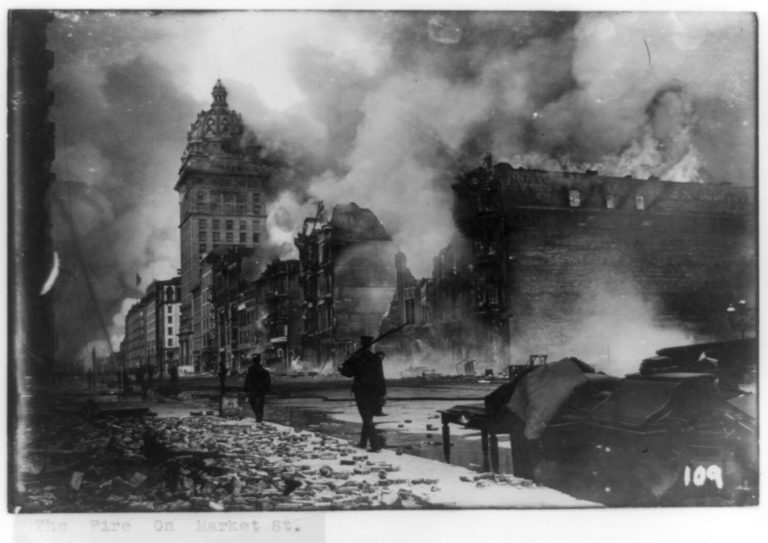
For earthquakes, which still continue to kill thousands of people in the 21st century, our ancestors responded inefficiently to this natural disaster. Using the Minoans of Crete as an example, the civilization resided on an active seismic fault in Crete.
Despite being hit by a massive earthquake in 1600 BCE, the Minoans did not leave their home. Instead, they created response measures such as building earthquake-resistant houses. They would add wooden reinforcement inside the stone walls, offering more stability.
Just like other natural disasters, earthquakes were also associated with supernatural beliefs. In Japan, for instance, the ancient cultures believed they were caused by a god called Namazu. He was a giant fish that moved under the earth, causing earthquakes. So, to respond to this natural disaster, they would celebrate and offer sacrifices to Namazu. They would also build their houses with wooden structures to make the property earthquake-resistant.
Tsunamis
As for tsunamis, which have recently ravaged the West Coast of the US, ancient civilizations had a unique response system. Most coastal civilizations built seawalls that would be used to obstruct the incoming waves.
In some cultures, such as those in Japan, where tsunamis were frequent, they invented tsunami warning systems. They may not have been as effective as Tsunameters or DART buoys, but they were very useful during that period. Examples included alarm bells and high towers. These were used to warn the locals about an upcoming tsunami.
Still in Japan, ancient cultures built evacuation routes that were used in case of a tsunami. Rituals were also a key response measure. For instance, the Greeks believed Poseidon caused earthquakes. Therefore, sacrifices would be made to prevent future incidents.
Famine
Famine has been affecting humanity since time immemorial. Several ancient civilizations, such as the Roman Empire, Gaul, Arabia, and the Byzantine Empire, are perfect examples of those once ravaged by famine.
To counter this, these civilizations responded in two main ways: storing enough food and building water reservoirs — Food storage dates back to 12,000 BC. At the time, Middle Eastern cultures would dry food under the sun and store it for future use.
If a community had not prepared for famine, they would trade food items with a neighboring village or move to fertile grounds. Communities that lived in arid areas were accustomed to moving, so drought wasn’t always an issue.
Volcanoes
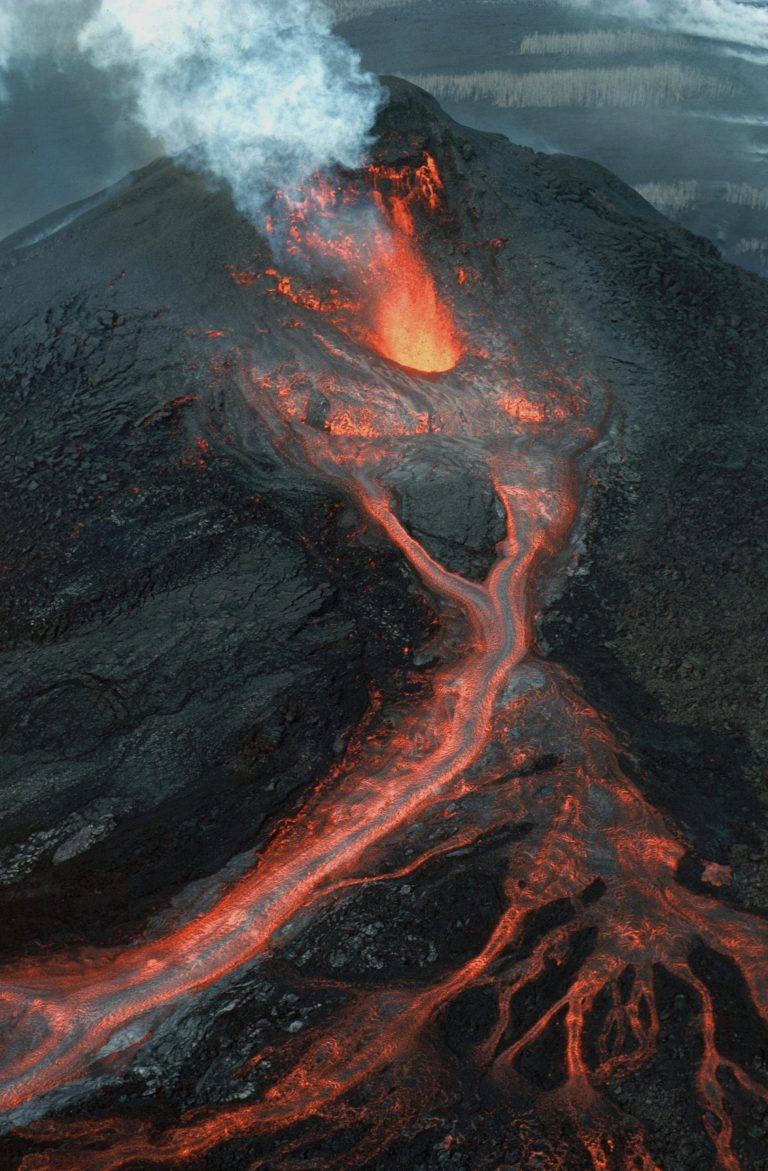
As is the case today, back in the day, there were several active volcanoes located near ancient civilizations. Unfortunately for them, they did not have geologists who constantly monitored and predicted when the volcanoes might arise. Therefore, most of them were caught by surprise.
Once again, we will use the Minoans of Crete as an example. During 1600 BCE, they were hit by a massive eruption that triggered other natural disasters such as tsunamis. Unlike other disasters, such as plagues, relocation is the only response to a volcanic eruption. As with the Minoans of Crete, they were forced to relocate inland, significantly affecting their trade routes.
Another notable volcanic eruption was the one that occurred at Mount Vesuvius in the Roman Empire in 79 CE. It destroyed the cities of Herculaneum and Pompeii in hours. The Romans had no option but to relocate.
Conclusion
As naïve as some of the early civilizations’ responses to natural disasters may seem, these cultures were working with what they thought was best. They didn’t have the science or technology to create the perfect responses to calamities. Even today, with all our advancements in science, natural disasters always seem to result in significant losses. We also can’t take for granted their contributions because modern society learned a lot from ancient civilizations.