



Managing attention challenges as an adult can feel like a constant battle against daily clutter. Many people grow up believing their difficulties with focus are simple personality traits. Being constantly disorganized or forgetful often gets mislabeled as a personal flaw rather than a recognized cognitive pattern. Seeking clarity through a structured evaluation can open doors to effective management strategies.
Recognizing the Signs of Cognitive Fatigue
Adults facing these hurdles struggle to maintain consistency in their professional lives. Missed deadlines and misplaced items are frequently part of a broader pattern of executive dysfunction.
A recent article noted that symptoms are often mistaken for personality traits, such as being disorganized, forgetful, or easily distracted. Recognizing these behaviors as medical indicators is the first major step toward finding real relief. Clinical studies show that unmanaged attention issues lead to chronic fatigue, as the brain exerts double the energy to complete standard daily tasks.
Finding an Adult Assessment Clinic Nearby
Navigating the path to a formal diagnosis requires finding specialized medical professionals who understand adult cognitive patterns. Choosing an experienced adult ADHD assessment clinic can provide the clarity needed to move forward with confidence. Trained clinicians use targeted evaluation tools to differentiate attention deficits from other mental health conditions.
A thorough evaluation involves looking at your behavior patterns from childhood through to the present day. Clinicians look closely at how these attention struggles impact your career, relationships, and personal well-being. They examine your history to separate life stressors from neurodevelopmental traits.
The Evolution of Local Diagnostic Services
Accessing specialized care has historically involved long waiting lists and limited appointment availability. Medical systems are updating their approaches to make these evaluations more accessible to the public.
An update on regional healthcare initiatives stated that from late 2026, a subset of 150 GPs across the state who have completed specific accredited training will also be able to diagnose and treat ADHD. This expansion aims to reduce wait times and bring specialized care directly into community medical practices. Patients can now look forward to localized care networks that decrease the need to travel long distances for specialized consultations.
Gathering the Necessary Personal History
Clinical interviews form the foundation of any comprehensive cognitive evaluation. Practitioners look beyond self-reported symptoms to build an accurate behavioral profile.
- Medical questionnaires regarding childhood behavior
- Employment performance reviews and academic reports
- Observational input from long-term personal contacts
According to regional health guidelines, the specialist may want to contact someone who knows you well, such as a family member or close friend. This collateral information helps confirm that the attention challenges have been present since early childhood. Gathering these records might take time, but the resulting depth ensures a far more accurate clinical outcome.
What to Expect During Your Appointment
The evaluation process spans multiple sessions to ensure an accurate clinical picture. Initial consultations focus on gathering your complete medical history and discussing your current daily struggles.
Subsequent sessions involve standardized cognitive testing and behavioral checklists. These tests measure specific aspects of executive functioning, including working memory and impulse control. You will sit down with a specialist to discuss how your brain processes complex information under time constraints.
Cognitive Testing Methods
Specialists utilize computer-based tasks to measure your attention span objectively. These tools track your response times and accuracy compared to standard baseline data. The data gathered provides a clear map of your cognitive strengths and areas that require support.
Psychological Screening Tools
Clinicians use written questionnaires to rule out overlapping conditions. This ensures that anxiety or chronic stress are not misdiagnosed as primary attention challenges. Identifying co-occurring conditions allows for a more holistic approach to long-term wellness.
Creating a Post-Evaluation Strategy
Receiving your final report provides a roadmap for managing your unique cognitive profile going forward. Your clinician will sit down with you to explain the findings in plain language.
- Evidence-based behavioral coaching options
- Workplace adjustments and productivity strategies
- Referrals for medical treatment options
Understanding your brain chemistry allows you to build targeted routines that support your daily workflow. This shift from frustration to strategy helps build long-term confidence. Clients often report a sense of relief once they have a formal framework to guide their self-improvement efforts.
Environmental Adjustments for Focus
Altering your physical surroundings can reduce the strain on your attention span. Small changes in your office or home setup create a more supportive atmosphere for sustained concentration.
- Minimalist desk layouts to reduce visual distractions
- Noise-canceling headphones to block ambient office sounds
- Dedicated zones for specific activities like reading or administration
Creating a predictable environment reduces the cognitive load required to focus. When every item has a designated home, your brain wastes less energy searching for tools. Consistency in your physical space fosters consistency in your mental output.
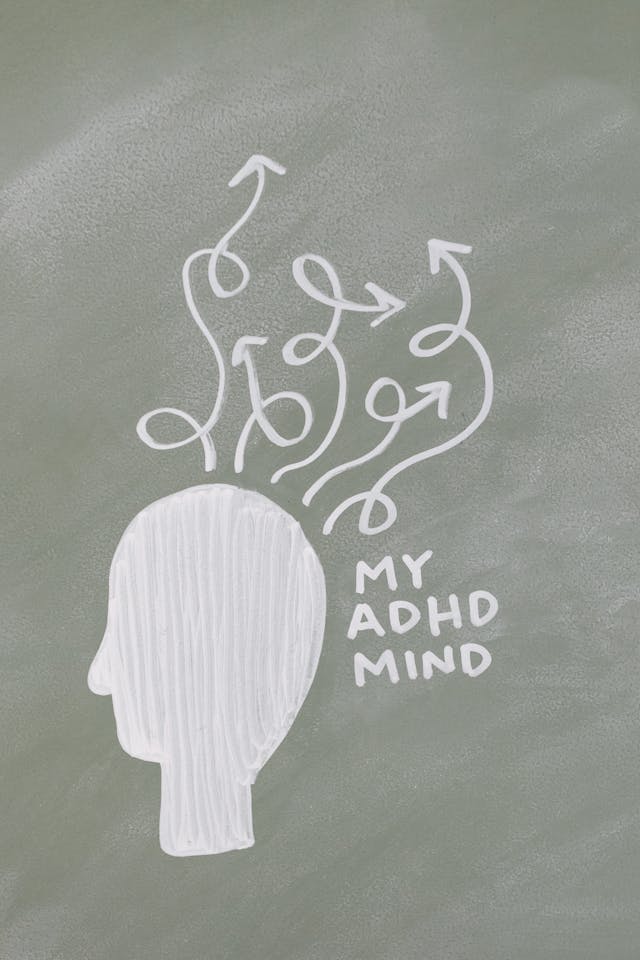
Modern evaluation methods are designed to empower adults to take control of their cognitive health. Securing a professional assessment offers the validation and tools necessary to build a more organized, focused life.