

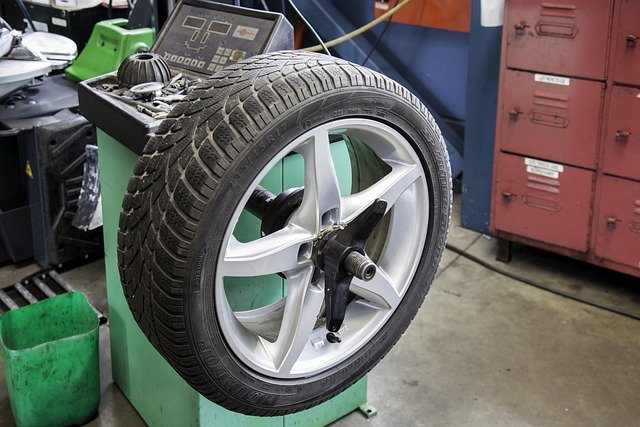

Tires are key to a safe and smooth ride. The only point of contact between a car and the tarmac, they are fundamental to the vehicle’s movement, handling, and stability. Knowing how tires act on a vehicle can help drivers choose the right set for their vehicle and driving style and keep them driving more safely, efficiently, and comfortably.
Impact on Handling
Tires play a significant role in steering response. They provide a solid grip for better control, particularly while cornering. They also have corresponding tread patterns aimed at maximizing road contact for grip. Deeper tread grooves on tires excel in wet performance, as they can help drain water and have less potential for hydroplaning. These factors mentioned are often found when reading a Thunderer tires review.
Handling also depends on the makeup of a tire. Softer rubber compounds present a better grip but wear more quickly. Conversely, more complex compounds last longer but may not offer the exact grip. The right tire for a driver will depend on their driving environment and style, and there is a performance or longevity trade-off within certain bounds.
Influence on Stability
Tires also significantly impact stability. A stable vehicle follows the line it was planned to go, decreasing the chance of the car skidding or rolling over. Tire pressure is pivotal in this context. Under-inflated tires are prone to uneven wear and poor fuel mileage, while over-inflated tires can mean a stiff ride and less traction.
The tire size also impacts stability. Bigger tires provide more stability at high speeds, while smaller ones give more maneuverability in tight spaces. New drivers need to pick a specific model and size to fit their car for safe, perfect driving.
Tire Maintenance and Safety
A properly functioning tire is a well-maintained one. Checking tire pressure once a month and maintaining it optimally helps car occupants stay safe while also maximizing fuel efficiency. Another thing to check is tread depth, which should be done regularly. Faded treads can have a drastic effect on traction, and this is especially true for wet and icy roads.
Rotating tires every 5,000 to 8,000 miles ensures even wear, prolonging their lifespan. Alignment checks are also crucial. Misaligned tires can cause uneven wear and affect handling. Drivers should be attentive to signs of alignment issues, such as the vehicle pulling to one side.
Seasonal Considerations
Certain tires simply work better in different seasons. Summer tire types are designed to provide better grip on dry roads in warmer temperatures. But in colder weather, they might be ineffective. Winter tires are great for snowy and icy roads, with deeper treads and snow-friendly compounds that offer better grip.
Lastly, there are all-season tires that are a compromise by nature—they’re okay for pretty much everything. They are suitable for areas with a mild climate. People who live where there is severe weather should consider summer and winter tires to maintain safety and performance where they should be.
Environmental Impact
There’s also the environmental issue associated with tires. Tires in good condition perform better to save fuel and lower emissions. Selecting fuel-efficient tires with sustainable materials can lower the ecological footprint. As another example of a positive aspect, repurposing old tires can also decrease waste.
Choosing the Right Tires
Choosing the right tires involves balancing many factors, including how you drive your car, the typical weather in your area, and your vehicle. Professionals can also guide you well. They can provide suggestions for options that meet individual needs while being safe and effective.
Buying quality tires saves you money in the long run. While cheaper options may seem enticing, they are likely to be out of commission quicker than expected or may be a safety hazard. By placing quality assurance at the top of our priority list, we need not worry as we drive.
Conclusion
The tires are basic equipment for vehicle safety and functionality. Their effect on handling and stability is significant indeed. Drivers can ensure safety and improve their driving experience by understanding their functions and how to maintain them properly. By choosing the right vehicle tires and keeping them properly, consumers could enhance efficiency and lessen environmental impact. Focusing on quality and safety, this approach ensures that drivers and the environment remain unscathed.