

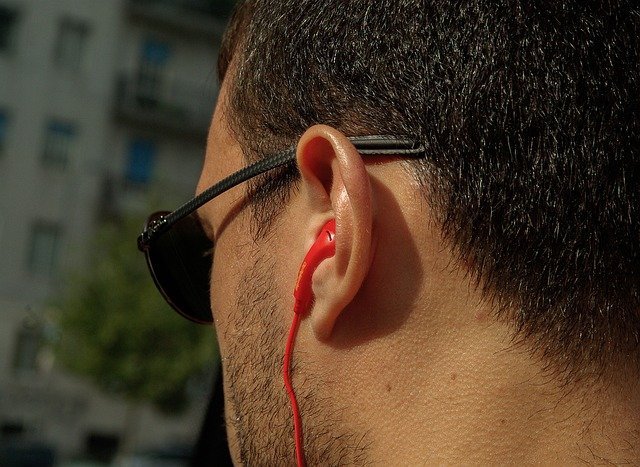

Your ears play a vital role in your overall well-being, helping you stay connected to the world around you. Keeping your ears healthy can prevent discomfort, hearing loss, and infections. Here are some tips to help you maintain ear health, keeping them happy and functioning at their best.
Schedule Regular Check-ups with Your Doctor
Just as you visit your doctor for annual check-ups, make ear health part of your routine. Regular hearing tests can detect problems early, even before you notice any symptoms. If you experience ringing in your ears, pain, or difficulty hearing, don’t wait. If you notice a buildup of wax that you can’t clear on your own, consider professional ear wax removal to avoid further complications. Seek professional help to address potential issues before they worsen.
Clean Your Ears Gently
It’s important to keep your ears clean, but you should avoid inserting objects like cotton swabs deep into your ear canal. Doing so can push wax deeper, leading to blockages. Instead, gently wipe the outer part of your ears with a damp cloth. If you feel like you have excessive earwax buildup, use over-the-counter ear drops to soften the wax, allowing it to naturally exit the ear canal.
Use a Soft Cloth
When cleaning the outer ear, avoid anything too abrasive. A soft, damp cloth is all you need to wipe away dirt and oil. This method is safe and effective without risking injury to your ear canal.
Avoid Ear Candles
Some people turn to ear candles as a solution for earwax buildup, but they can be dangerous. The process involves using heat to draw wax out, but it can cause burns, blockages, or even damage your eardrum. Stick to safer methods like ear drops or visiting a healthcare provider for professional cleaning.
Don’t Over-Clean
Cleaning your ears too frequently can irritate the ear canal and lead to infections. Your body naturally produces earwax to protect your ears from dirt, dust, and infections. It’s usually best to clean only the outer ear and let your body handle the rest.
Protect Your Ears from Loud Noises
Exposing your ears to loud sounds can cause permanent damage to your hearing. Always wear ear protection in noisy environments, such as concerts, construction sites, or when using power tools. Noise-canceling headphones can also reduce harmful noise exposure when you’re in loud public spaces. The longer you’re exposed to loud sounds, the more likely it is that you’ll experience hearing loss, so be proactive in protecting your ears.
Dry Your Ears After Swimming or Showering
Moisture in your ears can lead to bacterial or fungal infections. After swimming or showering, make sure to dry your ears properly. Tilt your head to each side to allow water to drain out. You can also gently use a soft towel or cloth to absorb excess moisture. If you frequently swim, consider wearing earplugs to prevent water from entering the ear canal.
Tilt Your Head to Each Side
After swimming or showering, tilt your head to each side to allow any water to drain from your ear canals. Gently tug on your earlobe to help water escape more easily. This simple action can significantly reduce the chances of moisture lingering in your ears and causing infections.
Use a Soft Towel
After tilting your head, gently use a soft towel or cloth to absorb any remaining moisture around your ear. Avoid pushing the towel into the ear canal, as this could push water deeper inside. Make sure to dry both the outer part of your ear and the areas behind your ears to ensure no moisture is left behind.
Be Careful with Earphones and Headphones
Listening to music or taking calls through earphones or headphones is common, but prolonged use at high volumes can lead to hearing damage. Limit the volume to 60% of the maximum and avoid listening for extended periods. Consider using over-the-ear headphones instead of in-ear models, as they reduce the risk of sound damage. Additionally, take regular breaks to give your ears a rest.
Manage Sinus and Allergies Effectively
Sinus issues and allergies can cause your ears to feel blocked or full. Congestion can lead to discomfort, ear infections, and even hearing loss if left untreated. If you suffer from frequent sinus issues or allergies, talk to your doctor about treatment options. Managing these conditions will help keep your ears clear and reduce the risk of infections or complications.
Your ears are essential to your daily life, and taking steps to protect and maintain them is key to long-term health. By following these simple tips, you can ensure your ears stay in great condition and continue to serve you well. Stay proactive about ear hygiene, noise protection, and regular check-ups to keep your ears happy and healthy.