


For those who don’t believe in evolution, this article on vestigial organs will be pretty interesting. According to Charles Darwin, as human beings evolve, some parts become unnecessary. That is the basic definition of vestigial organs. Some of these organs can be removed and will not affect a person’s quality of life. Here are some parts of the human body that people can comfortably live without.
1. Appendix
It’s not strange to come across a story of a close friend or family member whose appendix has been cut, and they are doing quite fine. That’s because it’s no longer needed in the human anatomy. The early human being relied solely on a plant-based diet. Therefore, the appendix was used to process plants.
However, modern human beings adhere more to a meat-based diet. Thus, the appendix is less needed in the digestive system. However, the organ is not 100% useless because scientists have noted that it stores some healthy gut bacteria. Also, the appendix contains lymphoid material that improves immunity.
2. The Palmaris Longus Muscle
Try resting the back of your hand on a flat surface and, while at it, connect your pinky to your thumb; you’ll see a muscle form on your wrist. This is what scientists call the palmaris longus muscle. Even though it may seem useful because of its location in the hands, it serves no purpose in modern life.
The sole purpose of the palmaris longus muscle was to help our ancestors, who walked on four limbs (according to Darwin’s theory of evolution), climb trees in search of food and escape predators. However, when humans evolved into walking with two feet, the role of the palmaris longus became irrelevant.
To prove how useless the palmaris longus is, about 10% of the world’s population doesn’t have it. As if that’s not enough, the grip strength between someone with palmaris longus and one without is the same.
3. Wisdom Teeth
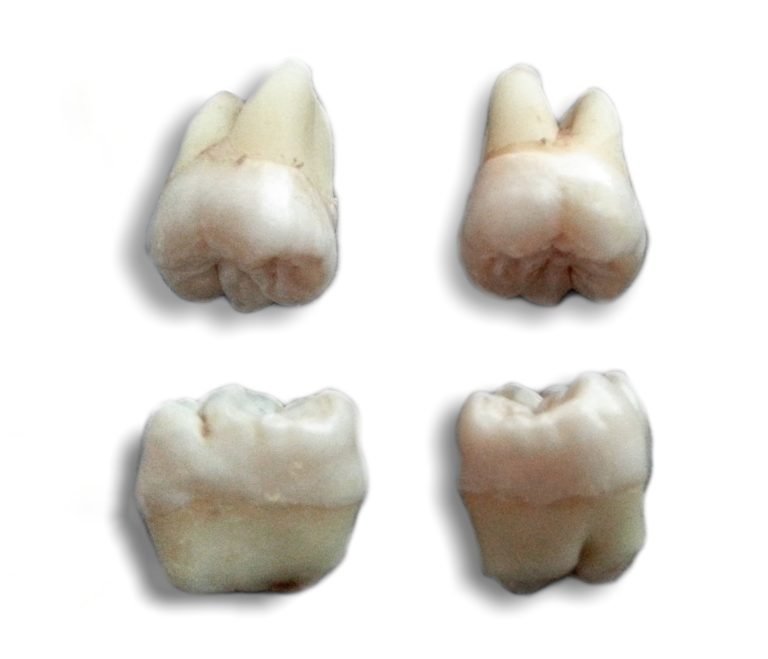
For many people today, wisdom teeth are a nuisance because of the pain they inflict while and after growing. Millions of people have had at least one wisdom tooth removed. In some people, wisdom teeth have stopped growing altogether. A clear indication of the human evolution process.
Besides being a source of agony, wisdom teeth are no longer necessary because the molars are enough to grind down modern food. The early man needed wisdom teeth because most of their food was raw and difficult to chew. Additionally, because of their poor dental hygiene, they would lose many of their teeth and needed the help of a third set of molars to ensure food was adequately being broken down.
4. Male Nipples
Because male nipples have existed since the beginning of humankind, it would be strange if this sex is born without them. However, they are one of the less-needed body parts. Unlike female nipples that are used in breastfeeding, male nipples serve no purpose apart from aesthetics.
Interestingly, the formation of male nipples goes back to the development of the fetus in the fetus in the womb. Fetuses begin as females, X. It’s only when the Y chromosomes kick in that male organs develop. Please note that nipples are formed before the latter process happens. So, male babies are born with nipples that will rarely produce milk.
5. Goosebumps
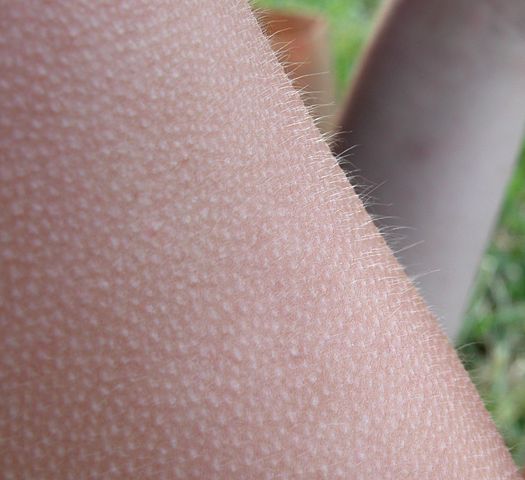
When it gets cold or you sense danger, goosebumps rise on the skin. While this is a fascinating phenomenon, it’s pretty useless at the moment. In the past, our ancestors were hairier. Therefore, goosebumps would come in handy when its cold because it would allow the body to retain heat. Also, goosebumps would fluff up the thick hair, making our ancestors seem more prominent in the eyes of predators. The current human being is less hairy, and even in the above conditions, goosebumps won’t offer any tangible benefits.
6. The External Ear
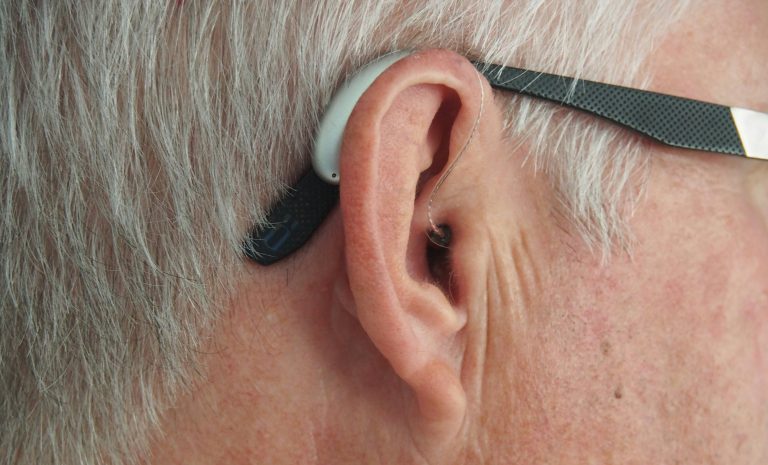
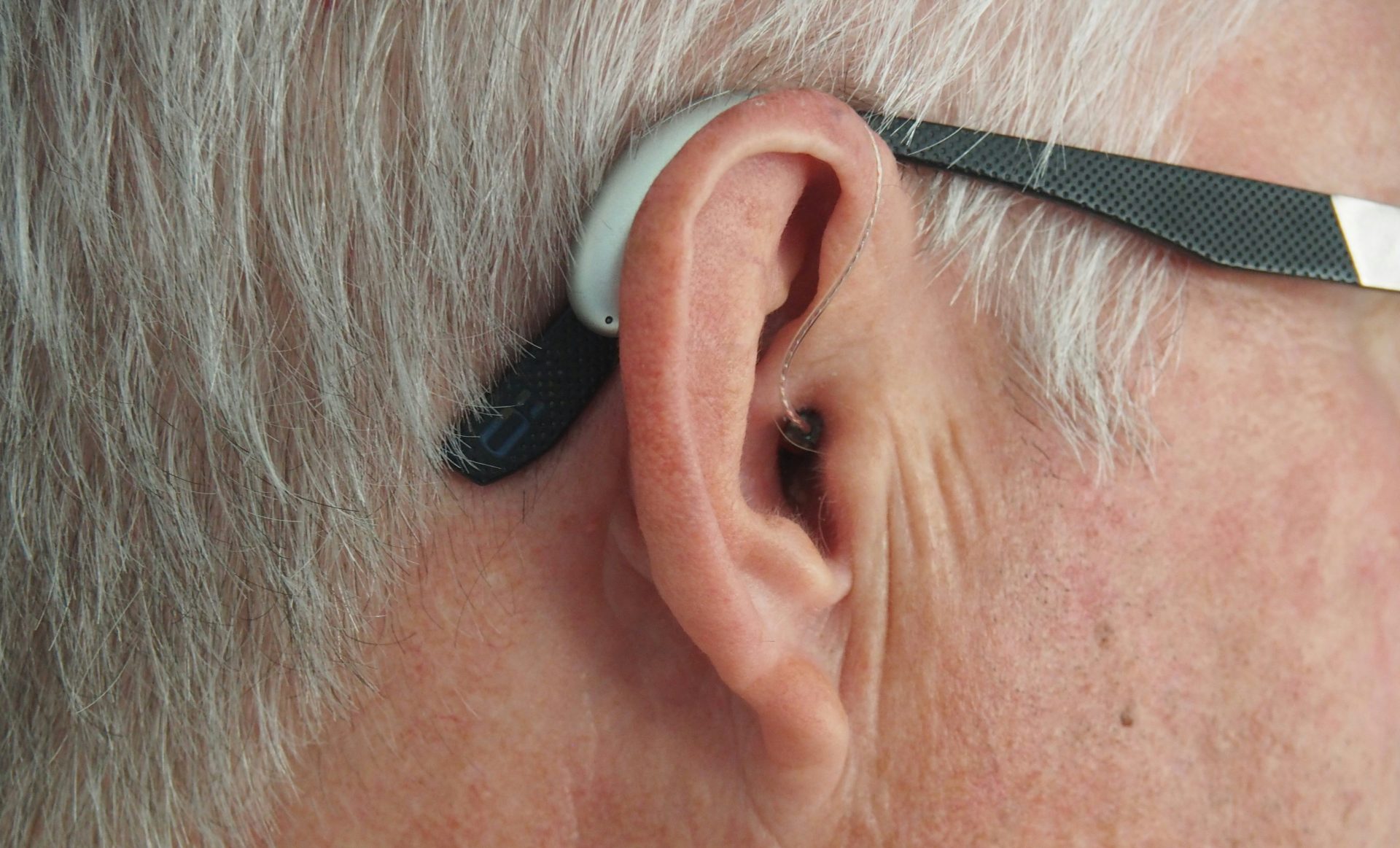
Human beings would look like aliens if they didn’t have an external ear. Interestingly, the external ear has evolved into a vestigial organ. For other mammals, the external ear serves as an external dish that directs sound into the auditory canal. This is why some animals, such as cats, can move their ears when standing still to identify a source of sound.
This body part is unnecessary for human beings as they can still receive sound waves with or without the help of the external year. Still on the matter, there is another vestigial organ called Darwin’s Point. It’s a bump located on the ear’s outer rim. Scientists believe that it allowed the ear to fold. Some people have this bump, and others don’t. Whichever the case, it serves no purpose.
7. The Human Tailbone
It’s in the public domain that human beings once had tails. As it disappeared through evolution, a tailbone was left behind. It comprises three to five vertebrae that are combined into one bone. Though useless, it holds together various tendons, ligaments, and muscles. When someone falls on their back, the impact can be pretty painful on the tailbone. What makes it irrelevant is that it holds no tail.
8. Third Eyelids
In animals such as cats, there is a third eyelid that moves from the lower inner corner to the upper outer corner when they blink. It’s common in other animals like reptiles and birds, too. Its role is to remove debris while keeping the eyes moist.
Human beings used to have a third eyelid, but it was phased out by evolution. What’s left behind is a tiny remnant on the inner corner of the eye. Scientists call it the plica semilunaris, and it’s not entirely useless because it assists in tear drainage and eyeball rotation.