


On paper, collecting rainwater seems like a reasonable thing to do, especially in regions with water scarcity. After all, it can significantly reduce water bills and is an ideal solution for those living off-grid. However, did you know that some states restrict rainwater harvesting? While it is not a federal crime to collect rainwater in the United States, some states regulate and sometimes forbid the collection and usage of rainwater. For anyone planning to collect rainwater this coming season, here is everything you need to know.
Reasons Why Collecting Rainwater Is Prohibited in Some States
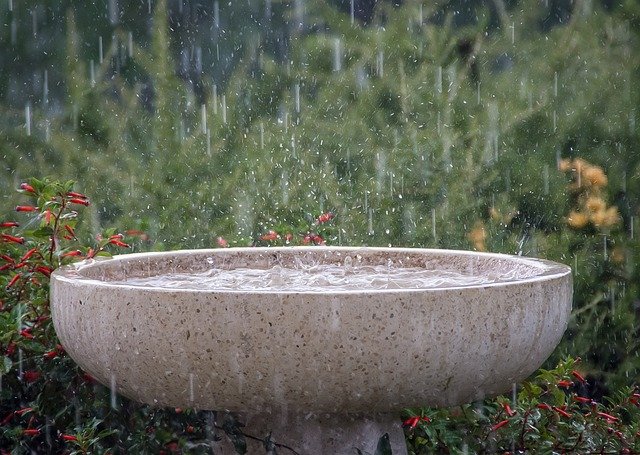
Rainfall is a cycle; the ground absorbs the water from rain before evaporating into the sky and falling back as rain. Collecting rainwater interrupts this cycle, leading to reduced rainfall experienced throughout the year in arid areas.
This idea is flawed, though. Despite being a valid argument, the amount of rainwater households collect is often minimal. Unless done on a large scale, the odds of rainwater harvesting affecting rainfall cycles is minimal. Climate is the key factor that dictates the legality of rainwater collection in the United States.
The other reason it’s illegal to collect rainwater in some states is that it violates water rights. Many US residents don’t know this, but some states prioritize water usage based on specific demographics. For instance, rainwater collection is prioritized based on regions, businesses, and individuals in Colorado. So, by collecting rainwater without approval, you are depriving those who have been prioritized by the state. For a long time, these water rights have been deemed unfair because everyone needs water.
Thirdly, states regulate rainwater harvesting for safety reasons. Most homeowners utilize traditional rainwater collection methods. As expected, these methods do not filter bacteria and contaminants, which can make someone sick. To enforce public health, certain states discourage rainwater collection. Still on safety, rainwater collection creates a breeding ground for mosquitos. This poses a health hazard to those residing close by.
Where Is It Illegal to Collect Rainwater?
At the time of writing this article, collecting rainwater is illegal in 11 states, including Wisconsin, Washington, Virginia, Utah, Ohio, Colorado, California, Arkansas, Nevada, Illinois, and Georgia. All this information is available to the public on the Rain Harvesting Map.
While we’re still in states where it’s illegal to collect rainwater, let’s focus on Colorado. In this state, the rainwater collection laws are very stringent. The locals can only collect two barrels of rainwater that should not exceed 110 gallons. Collecting more can land you in trouble with the authorities.
Also, the rainwater collected can only be used for outdoor purposes such as watering the lawn or washing the cook. It is illegal to cook with rainwater in Colorado. This law has been around for more than a century.
On the other hand, there are 16 states which encourage the collection of rainwater. They include Wyoming, Texas, Rhode Island, Pennsylvania, Oregon, North Dakota, Michigan, Maryland, Kansas, Hawaii, Florida, Arizona, North Carolina, New Mexico and New Jersey.
One thing all these states share is that they get adequate rainfall throughout the year. As such, there are no concerns about interfering with the rain cycle. Some of these states go the extra mile by offering incentives for rainwater collection, which come in the form of cash or tax rebates. In Albuquerque, for instance, the locals can get a rebate ranging from $25 to $150 for collecting 50 to 1500 gallons of water.
Do You Need A Permit to Collect Rainwater?
Even though these 16 states encourage rainwater collection, some may require permits to ensure safe and proper harvesting. Before setting up rainwater collection systems, confirm with the local laws whether a permit is needed. Most of the time, permits are required to collect rainwater used in spas, swimming pools, and other public facilities.
In all the other 23 states not mentioned above, such as West Virginia and New Hampshire, rainwater collection is unregulated. This means that they do not restrict nor encourage the collection of rainwater. People are free to do whatever they deem fit.
The United States is one of the few countries that has rainwater collection laws. In other areas such as the UK, Canada, and New Zealand, the residents are free to collect rainwater however and whenever they want. The governments in these countries only educate their people on collecting rainwater safely but do not intervene through restrictions and permits.
After understanding the local laws that revolve around the legality of collecting rainwater in a particular state, it’s crucial to ensure it’s done correctly. Water must be filtered and purified if it is used for drinking and cooking. Also, the harvesting facility needs to be mosquito and bacteria-free.